A report published by FWD.us, a criminal justice advocacy group in Atlanta, Georgia, noted that families shoulder an estimated $350 billion a year as a result of a loved one’s incarceration.
The estimate includes both direct expenses and long-term losses in household income, said researchers at Duke University and the National Opinion Research Center at the University of Chicago, who collaborated with FWD.us.
“I work an average of about 120 hours per month at $0.45 inmate cents an hour. I make around $50 inmate dollars, subtracting 50% for strong-armed restitution,” said resident Dante Knight. “My inmate dollar amounts to either just enough food to eat for five to seven days or hygiene.”
Knight said taking care of himself in prison is difficult when he has to choose between beans and rice or toothpaste. So, in addition to the prison canteen, he receives food, hygiene products, and money from his friends and family.
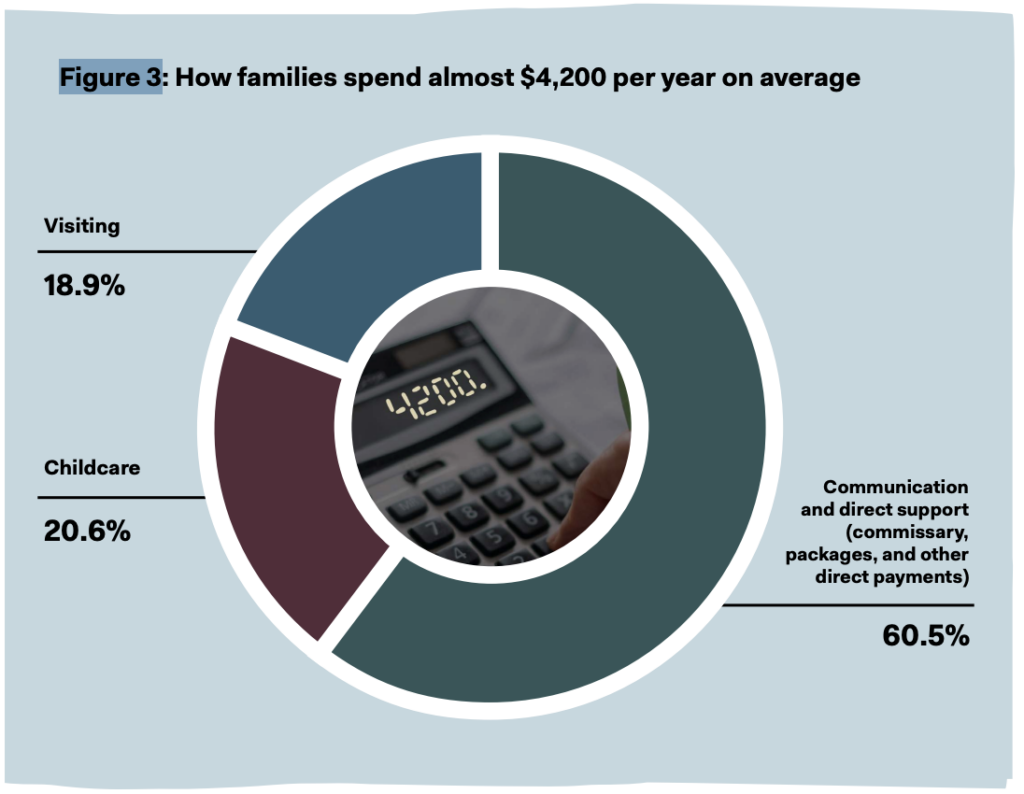
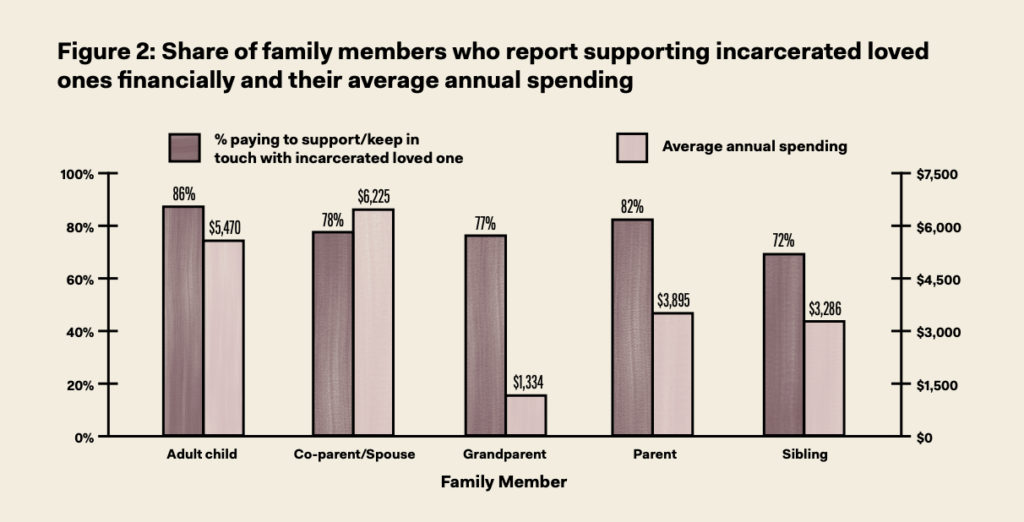
Family members spend an average of $4,200 annually per incarcerated relative so they can purchase food, hygiene items, and clothing from prison canteens; this is because low wages for people in both state and federal prisons leave families to fill the financial gap. Some of those items are marked 600% above retail prices, said the report.
Knight said the cost of items at the prison’s canteen makes it hard to afford necessities and still have money to purchase food items.
“Adequate toothpaste costs just over $5, floss picks at $1.30, deodorant is shy of $5, laundry detergent at $2, and all-in-one soap costs over $7. That eats up over three-quarters of my inmate dollars,” said Knight. “On top of that, there is a limit on food items I can purchase due to my dietary restrictions, which leaves me with few options.”
Knight said he relies mostly on packages from his friends and family, purchased through a prison-approved vendor.
“Packages come in handy,” said Knight. “We, the inmate population, should be allowed to widen our selection to more commercial corporations that have the ability to provide goods at inmate-friendly prices.”
The California Code of Regulations, Title 15, provides that people incarcerated in California prisons can receive a package four times a year (once each quarter) from a prison-approved vendor.
Resident Jose Meza said that his family would like to see him earn some sort of living wage so that he can take care of himself. Meza said he receives a quarterly package and also relies on his family to place money on his books.
“If they pay us a minimum wage, it would take a big weight off my family’s shoulders,” Meza said. “The money I make in prison is not enough to do much with, so my family spends around $800 a year on packages.”
As an ADA worker, Meza attends to persons with disabilities by helping them get to and from medical appointments, self-help groups, church services, and the canteen. Meza said that when he spends his $30 at the prison canteen, his focus is on maintaining his hygiene and appearance because it makes him feel good when he looks good.
“I decide to get hygiene over food because I like to take care of myself,” he said.
An annual survey of state and local government finances by the U.S. Census Bureau reported that state governments spent over $66 billion on corrections in 2023.
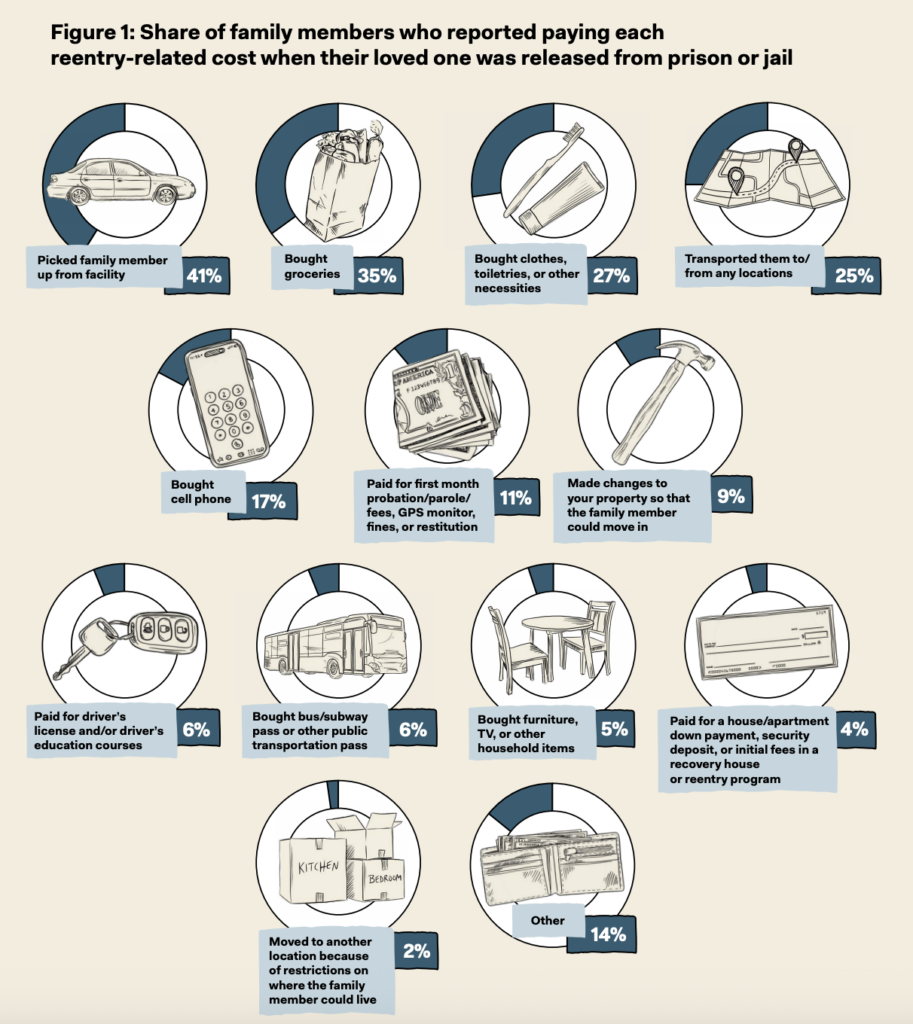
Surveyed families self-reported losing an average of $1,803 per month to expenses like traveling to visits, phone calls, time off work to drive to court appearances, and childcare expenses, according to a related article in the Missouri Independent.
Additionally, when the primary provider for a family goes to prison, the remaining family members may face extreme circumstances like relocation.
“At the end of 2023, there were more than 1.25 million people in state and federal prisons, a 2% increase from the previous year,” according to data from the federal Bureau of Justice Statistics. “The vast majority were serving sentences longer than one year and were held in state prisons.”
Researchers said that if the steady increase of current incarceration rates continues, families could see their financial burdens rise to $3.5 trillion cumulatively over the next decade, noted the Missouri Independent.