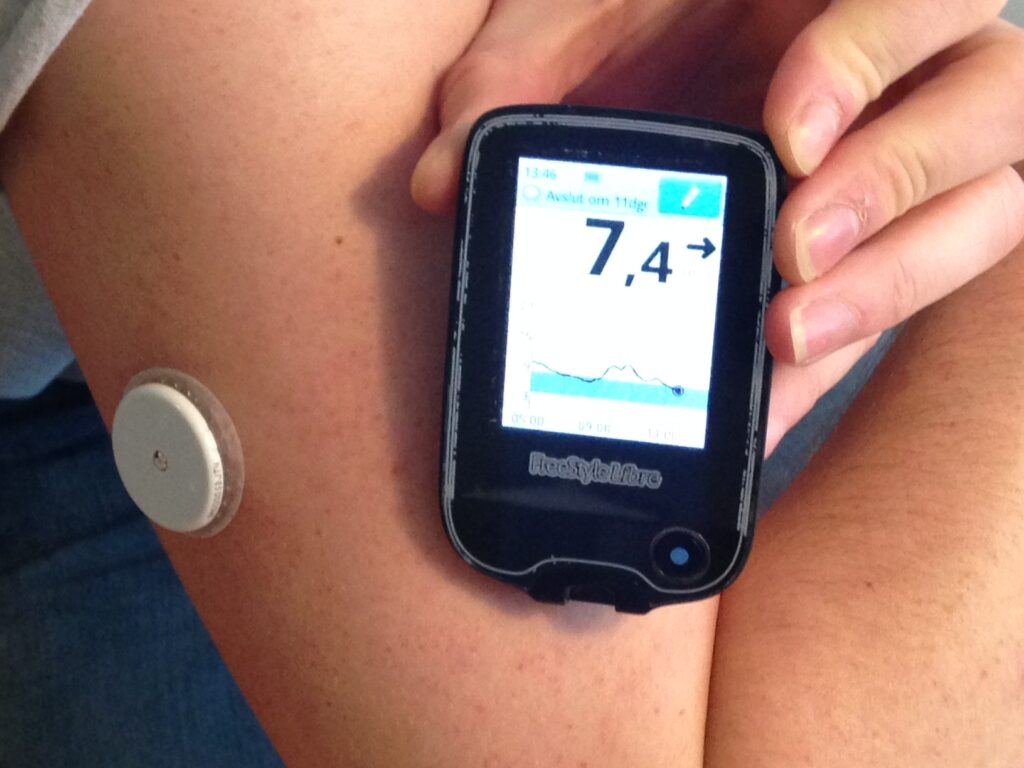

An educated food plan and exercise regimen for incarcerated people may be the way to combat diabetes, instead of being medication dependent.
Type-2-diabetes is the most prevalent amongst people with bad eating habits, because of this, the body becomes resistant to insulin or the pancreas stops producing enough insulin, according to the International Journal of Research
Complications related to diabetes include heart disease, mental illness, depression, anxiety disorders, and cognitive distortions.
There are more than 2,500 people incarcerated at San Quentin Rehabilitation Center. Three hundred ninety-two of them have been diagnosed with Type 2 diabetes, That’s 13% of the prison’s population, according to San Quentin medical staff.
In an effort to detect diabetes and or pre-diabetes, incarcerated people are given glucose blood tests to check their AIC levels.
A key factor in managing a person’s diabetes is nutritional education and awareness of what goes into the body, reported the Journal.
People with diabetes, as well as those without it, should read food and drink labels and check for serving size and nutritional facts.
Many items contain more than one serving per package; therefore, understanding the total grams of carbohydrates, saturated and trans fats will help manage the disease, according to a November 2023 information packet written by Cerner Multum Incorporated and provided to the author by a CDCR doctor.
SQ resident Jessy Zetino, 33, has been in prison for more than 11 years. He has developed a passion to inform and assist incarcerated people by giving nutritional facts to those diagnosed with diabetes.
He’s currently writing a book, The Psychology of Fitness and Nutrition, that is relevant to prison life. It’s based on nutritional fitness.
Zetino said that carbs per serving size are very important, and should be 5% per portion. A high-fiber diet, such as beans, is healthy; they slow down the release of sugar. But a serving of milk has 11 grams of sugar that can spike blood sugar.
The food that is served at San Quentin, starting with breakfast through lunch and dinner, is a steady diet of high levels of carbohydrates. The meals consist of bread, tortillas, potatoes, biscuits, dinner rolls, French toast, waffles and syrup, according to the weekly menu dated from February 17, 2025 to March 30, 2025.
Foods that are high in sugar or refined carbs should be avoided. That includes flour tortilla shells, bread, pasta, and snack foods with refined flour, noted the Cerner Multum report.
Diabetics should avoid canned fruits with syrup, canned and frozen vegetables, and pre-made or processed food; they are all high in fat, sodium, and added sugar.
It is recommended that a diabetic have a healthy meal plan. Try to purchase fresh fruits and vegetables, bulk grains, fresh meats, and fresh dairy products.
Eat meals and snacks regularly; eat food high in fiber: fresh fruits vegetables, beans, and whole grains.
It is recommended that a person should consume of 4-6 ounces of lean protein per day, such as chicken, fish, and eggs, as well as healthy fats such as avocados and nuts.
A good meal plan will help you manage blood glucose levels. It is important to have healthy eating habits because your blood sugar levels are greatly affected by what you eat and drink.
A healthy food plan will lower your risk for heart disease, control your blood sugar levels, and help you body respond and be sensitive to hormone insulin.
Physical exercise will also help control the blood glucose levels; check the levels before and after you exercise. A high-carbohydrate snack should be kept handy to treat hypoglycemia (low blood sugar).
A diabetic should avoid injecting insulin in the parts of the body that are going to be used during exercise— for instance, your arms when you play tennis, and your legs when you jog, according to the Cerner Multum report.
Diabetes is a disease dubbed as a silent killer. More than 250 million people in the world have been affected by it. Without proper care and management, the number of diabetes patients are expected to increase to 430 million, according to the International Journal of Research