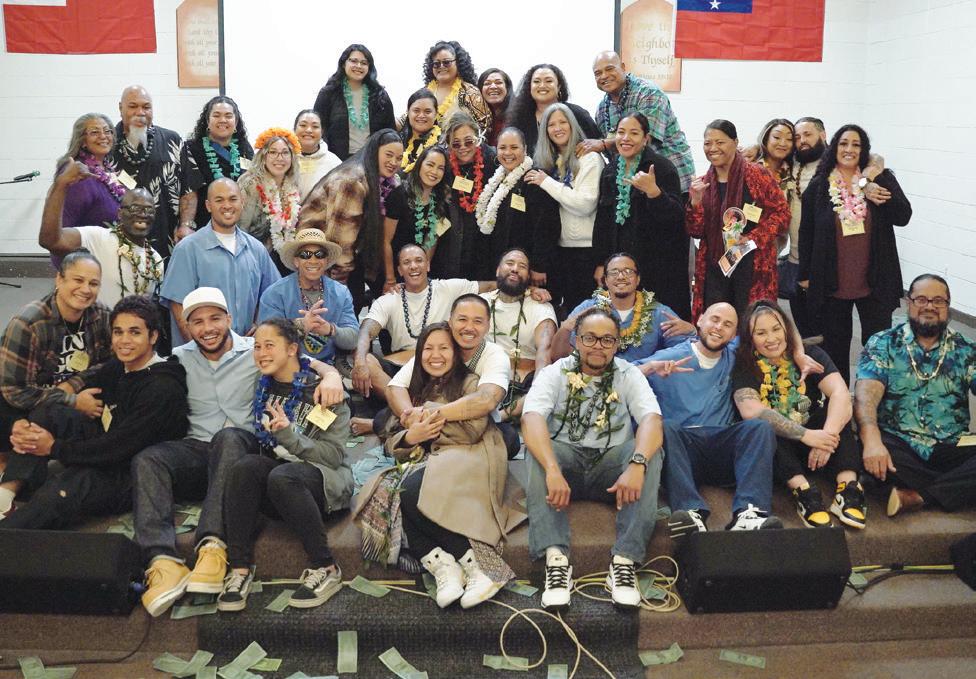
San Quentin residents develop tolerance, unity, and identity through freedom to express and celebrate their cultural heritages.
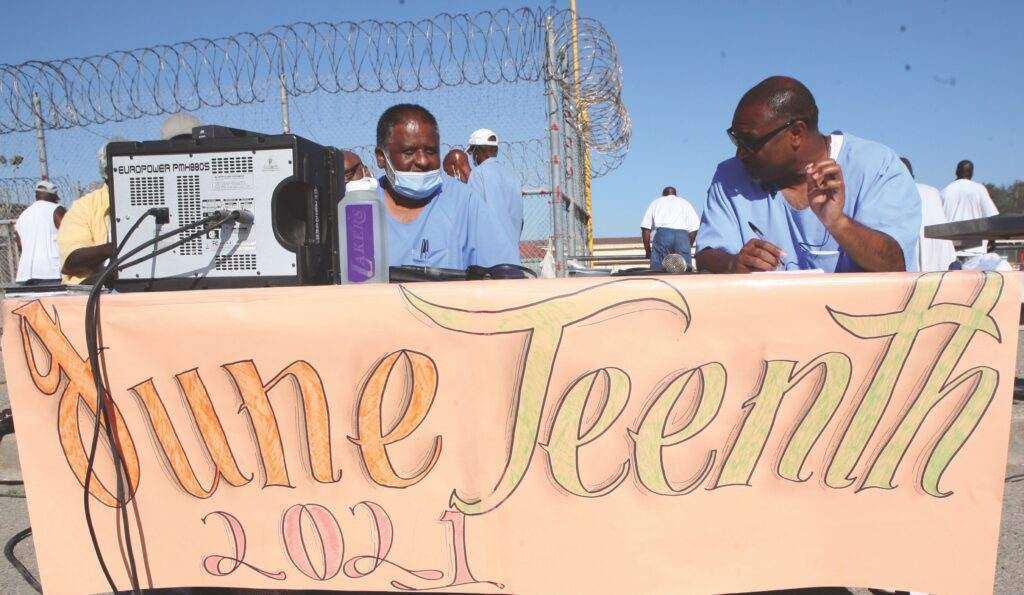
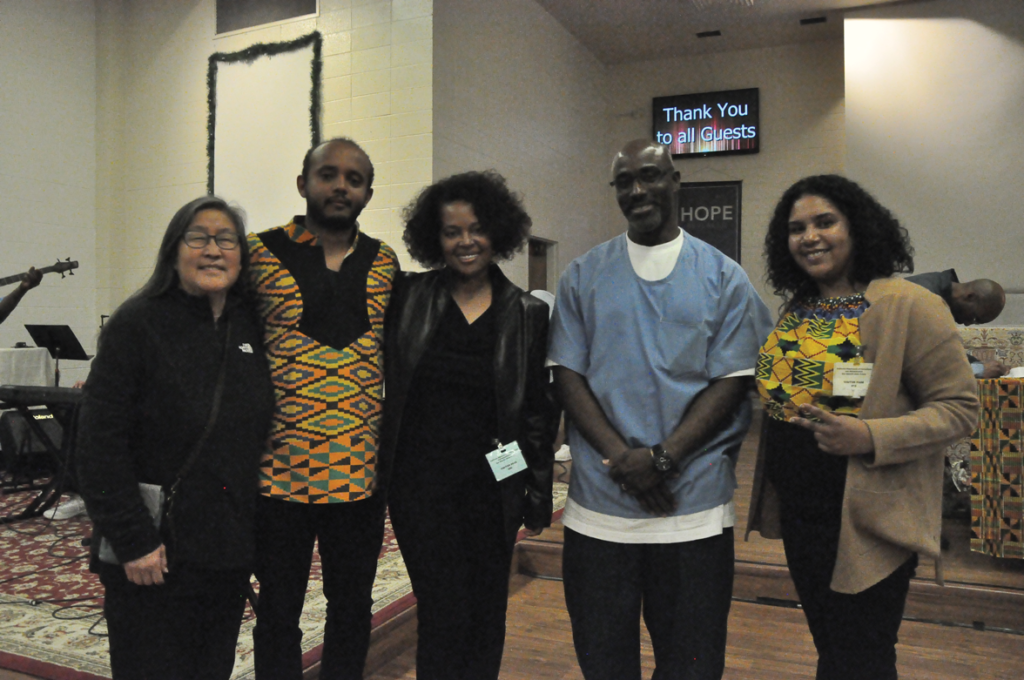
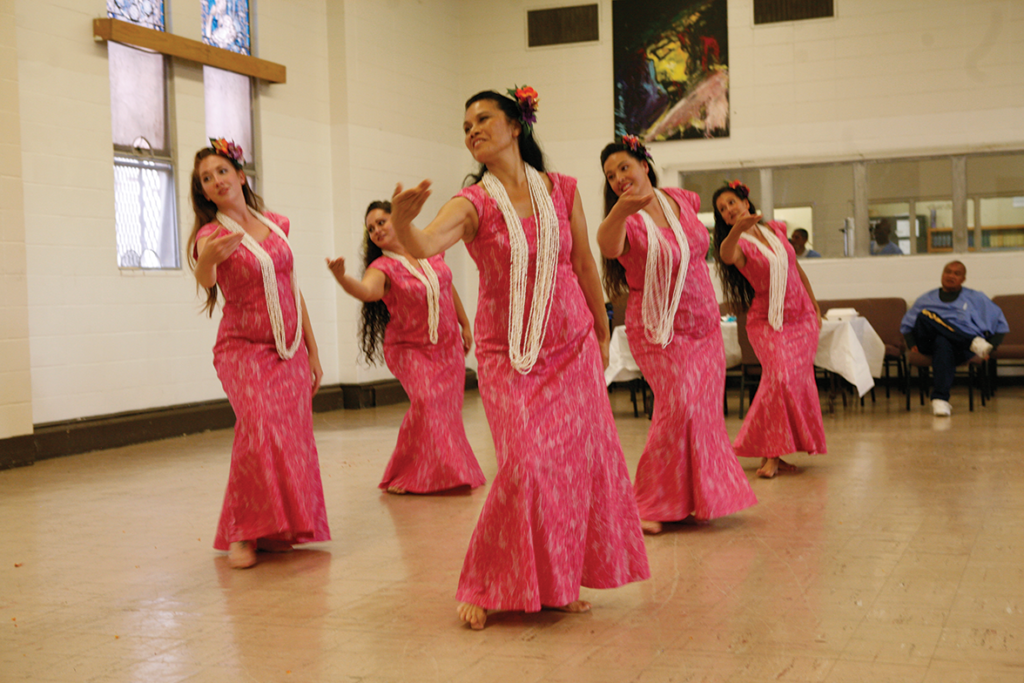
Cultural celebrations are a common occurrence in San Quentin Rehabilitation Center. Throughout the year events are held for various holidays including Black History Month, Cinco de Mayo, Juneteenth, and Kwanzaa. A number of other functions are hosted by members of the Muslim, Jewish, American Indian, Asian American, and Pacific Islander communities.
The opportunity to freely and safely explore their cultural identities within prison is a new experience for some residents.
“San Quentin is the first prison I’ve been at where culture events are allowed,” said SQ resident Deshawn Ford.
Ford helps to organize and facilitate cultural events for San Quentin’s Black population. He said other prisons where he was previously held did not allow the open celebration of culture or religion. He recalled how Pelican Bay State Prison, for example, refused to allow the assembling of various racial groups because the prison administration’s assumption was impending violence.
“When holidays would come up, Blacks would have to come together and do our own thing, separate from the prison. San Quentin is different. Black men can come together in unity and celebrate each other, and that’s important because we don’t always have unity in prison,” said Ford.
Ford was incarcerated in San Quentin in 2012 and recalled that the facility did not hold as many cultural events as it does now. In 2026, Ford said the improvements are evident and rehabilitation is happening because of it.
The same is true for other residents.
“San Quentin was different before, because it was more violent. Now the prison environment is helping me grow as a person so I can have a better future,” said SQ resident Cesar Cabrera.
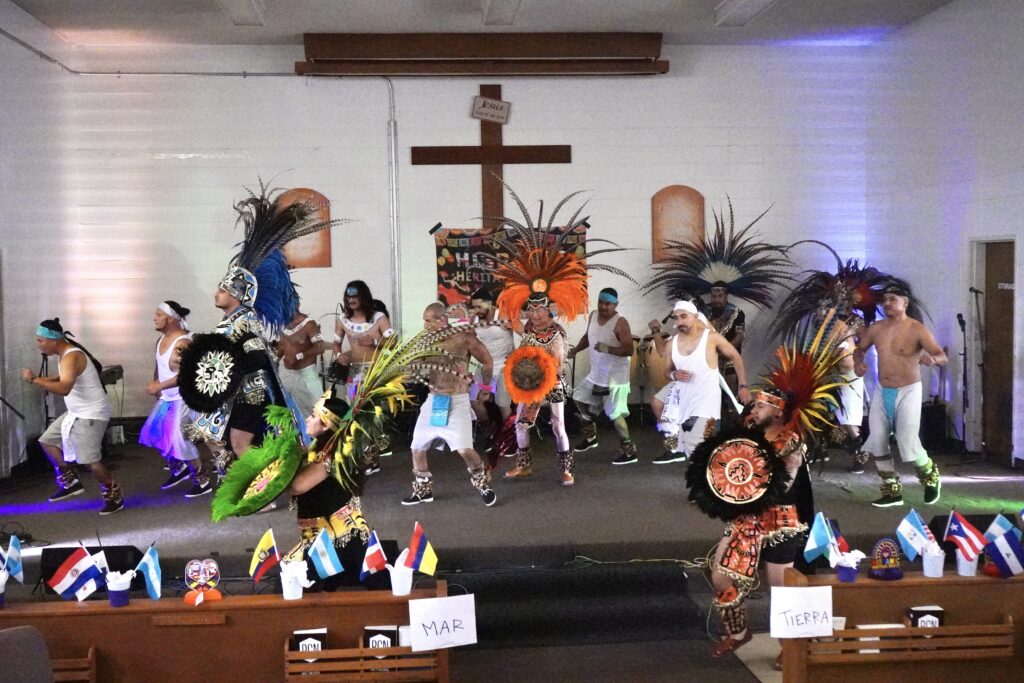
Cabrera is Mexican American and a member of the Aztec Dance team at San Quentin. In the two years since he joined the group, Cabrera said he has benefitted from the opportunity to tap into his roots and learn more about Aztecan history, culture, astrology, and mathematics.
“We meet every Wednesday. The group is more than dancing. It’s a support group where we are there for one another, and it takes me away from drugs and drinking or getting in trouble. It also helps me stay in shape,” said Cabrera.
Research from Mental Health America reveals that a healthy understanding of cultural heritage and history can help a person develop a strong personal identity and increase community cohesion. In addition, it improves mental health by helping to lower rates of depression and anxiety, and aids in building resilience against stress.
“Being able to celebrate my culture here gives me a sense of freedom. We have a strong community because we are allowed to come together all the time,” said SQ resident Brian Gray, a Native American Indian member of the Chippewa tribe.
Gray is a clerk and one of the leading representatives for the American Indian community at San Quentin. He helps organize cultural events and collect donations for supplies and traditional medicines for the facility’s 36 registered members of the AMI community.
Gray said it is a privilege to learn about his culture because many of the traditions are being lost.
“I’ve learned more about my culture since being incarcerated,” said Gray. “At other prisons we were not allowed to come together and celebrate the way we can at San Quentin. San Quentin allows us to have sweat lodges every weekend and two pow wows a year where we can bring in our families.”
Gray said San Quentin has recently approved a pow wow celebration where, for the first time, children will be allowed to come into the facility and join in the festivities. He said there will be dancers in attendance to teach the children traditional dance, and the kids will have the chance to celebrate with and learn from the elders.
“It will be a big significance to be with our family and teach a culture that is steadily being lost through the generations,” said Gray.
Prison has a reputation for breeding hostile, often violent environments. But at San Quentin, the sharing and teaching of cultures across racial and ethnic groups is showing potential to lessen the divide amongst residents.
“A lot of us were taught to be racist without the understanding. Now we can develop our own understanding. We are learning about each other’s culture, and it’s helping us become more open minded,” said Ford, who learned to drop some of the bias he previously held.
Resident Gray also appreciates the opportunity he has to share his culture, while learning about others.
“Sometimes we have ‘guest sweats,’ where we invite other residents to experience the sweat lodge and learn about the importance of healing ceremonies and cleanses,” said Gray.
More than anything, SQ residents are learning how to accept themselves and others through healthy cultural exchange, and that is a huge step toward rehabilitation.
“We get to be ourselves here, instead of creating a persona in order to survive like we had to in other prisons,” said Ford.