New Clean Slate and resentencing laws are gaining traction across the United States and paving the way for future criminal justice reform.
These laws aim to automatically seal or expunge certain criminal records and effectively remove barriers that follow a person long after a prison sentence, according to an article written by Bryan Driscoll in Best Lawyers.
“Removing post-incarceration barriers to success can only serve to increase public safety,” said San Quentin Rehabilitation Center resident John Dudley.
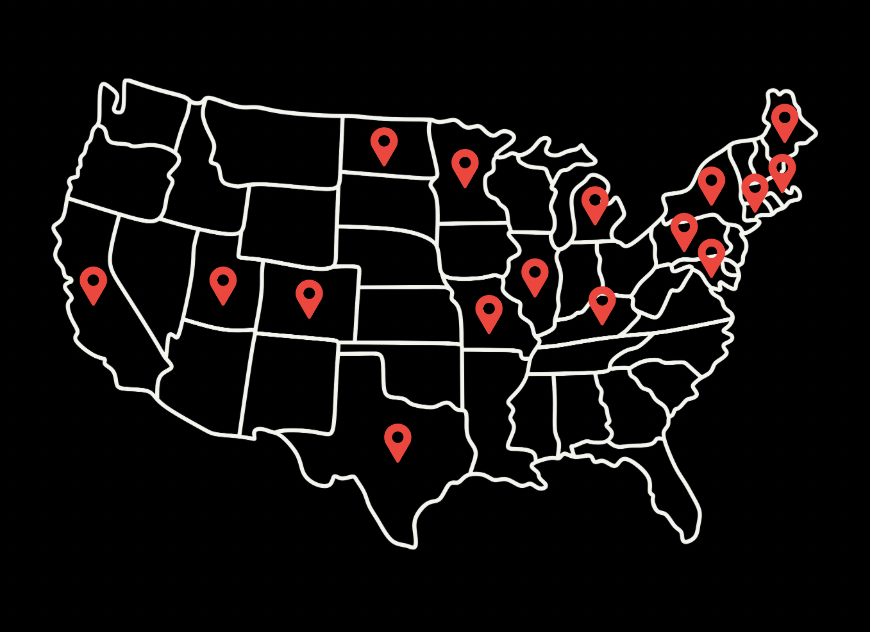
More than a dozen states have employed some form of Clean Slate reform, demonstrating bipartisan acknowledgement that continuous punishment undermines both justice and economic growth.
By making relief automatic for eligible offenses, the laws help individuals avoid costly petitions otherwise required to attain relief, and expedite access to education, housing, and jobs, wrote Driscoll.
According to the winter newsletter of Ella Baker Center for Human Rights, California introduced more than 2,000 bills in the 2025-2026 legislative cycle. Of these, more than 400 directly address public safety, economic priorities, and criminal justice reform.
California’s Senate Bill 672, the Youth Rehabilitation and Opportunity Act, would allow individuals who committed their crime at age 25 or younger and were sentenced to life without the possibility of parole, eligibility for parole after 25 years. After the Assembly Appropriations Committee approved SB 672, it became a two-year bill.
California’s SB 834, also a two-year bill, aims to help individuals with old, pending, or incomplete charges who do not qualify for automatic record clearing under current statutes by allowing them to petition for removal of charges and a certificate of disposition.
These reform bills do not apply to convictions related to the death of a child under 12, the death of a public official, or crimes committed in acts of domestic violence.
“We also dedicated significant time to opposing harmful legislation that unnecessarily increases sentences and restricts the discretion of judges and the parole board,” said the EBC newsletter.
Other states, including Illinois and Maryland, targeted legislative action to align economic priorities with justice reform.
Maryland’s Senate Bill 432, the Expungement Reform Act, makes more offenses eligible for expungement with fewer disqualifications for certain parole violations. Newly eligible offenses include credit card theft, making a false statement to police, and driving without a license.
SB 432 also removes technical barriers that disqualify people with parole violations. This change means one single misstep on parole will not block someone from clearing his or her record permanently.
Maryland Gov. Wes Moore stated that this reform bill dismantles the notion that sentences last a lifetime. He stressed that decades-old offenses should not hamper a person’s ability to work, rent, or secure loans. SB 432 is not only about legal relief, but also designed to restore economic opportunities.
The law passed alongside the Second Look Act, which allows prisoners to petition for sentence reductions, and geriatric and medical reforms that account for illness and age in release decisions.
According to the Best Lawyers article, Maryland has one of the highest incarceration rates in the country for Black residents. These new laws target the cycle of exclusion, disproportionately affecting communities of color.
“Maryland paired record-expungement reform with sentencing review and parole changes, targeting systemic racial disparities and long-term incarceration,” Driscoll wrote.
Illinois’ Senate Bill 1784, the Clean Slate Act, would require automatic sealing of eligible nonviolent criminal convictions twice a year. The bill addresses employment barriers to people with a record. It states that sealing old convictions is a way to expand the labor pool while reducing recidivism.
If enacted, this legislation would make Illinois the thirteenth state with a Clean Slate Law. To qualify for expungement, individuals must complete their sentence and probation and stay crime free.
“These laws are not only a legal milestone; they are an economic and social equity strategy,” Driscoll wrote.
The National Clean Slate measures passed in 2025 are creating a shift from punitive permanence toward reintegration, equity, and measurable economic benefit. Combining justice reform with economic priorities is why the Clean Slate movement is gaining traction.
States that take this novel approach are showing others how to move away from permanent punishments that undermine public safety and economic vitality.
“These Clean Slate Laws are giving people a second chance at being productive members of society,” said Dudley. “If more of these laws pass it will definitely redefine what it’s like when we get out of prison.”