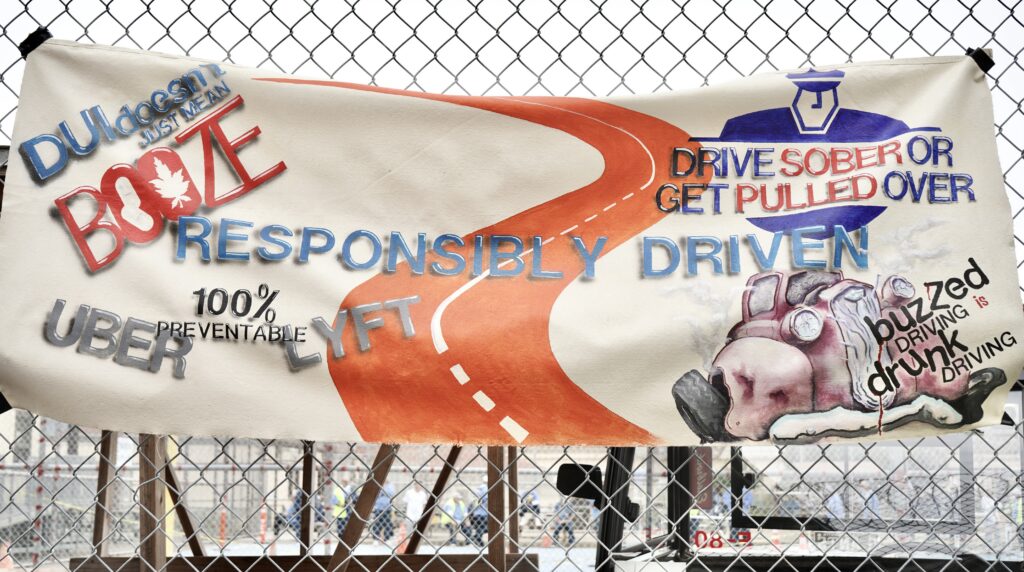
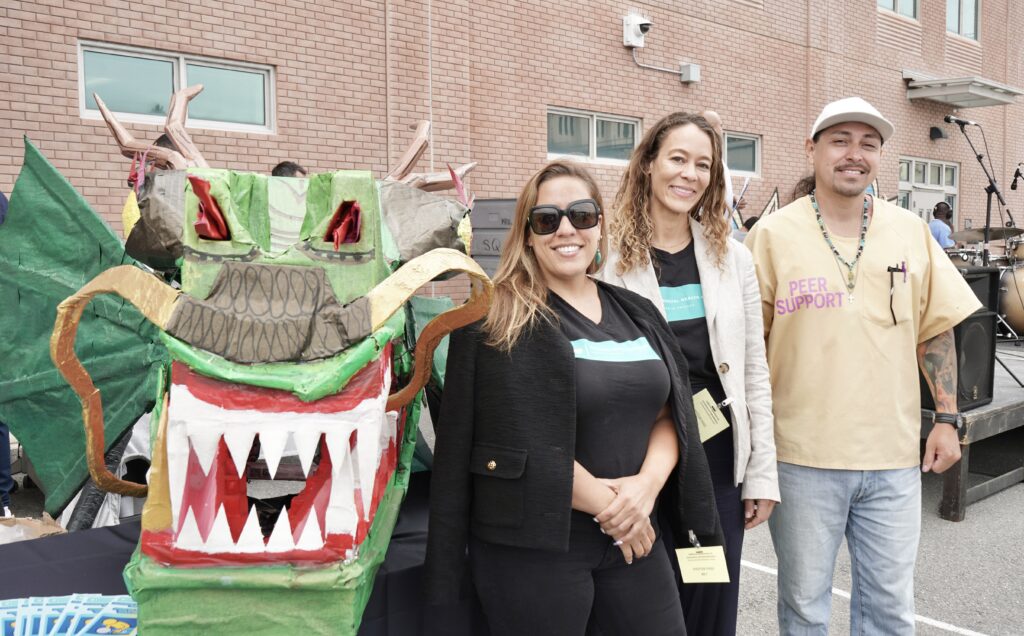
San Quentin Rehabilitation Center hosted its second annual Overdose Awareness Day on August 28. The Lower Yard event drew a large crowd of residents and outside guests from various organizations dedicated to rehabilitation, to public safety, and to harm reduction.
The main theme of the event centered on community. Many participants have identified an absence of community as common in carceral environments, and as a major contributor to drug use and to drug overdoses. The event meant to assure residents of the availability of help.
“We have healthcare available for everyone,” said Dr. Nathaniel Morris, the Chief Psychiatrist at San Quentin, from the stage. “You are the experts on your bodies. You are our best teachers. We rely on you on the frontlines and we rely on you to talk to us.” Dr. Morris reminded the crowd that he sees patients himself and that anyone may speak with him at any time.
The nonprofits ThArrive, Family Bridges, and 21 Pathways co-sponsored the event with The Social Health Foundation. TSHF certified 14 San Quentin residents as “Harm Reduction Coaches” in 2026, said resident Brandon Johnson, 45, who received his certification as a harm reduction coach during the event. Johnson said he believed his work was making a life-saving difference.
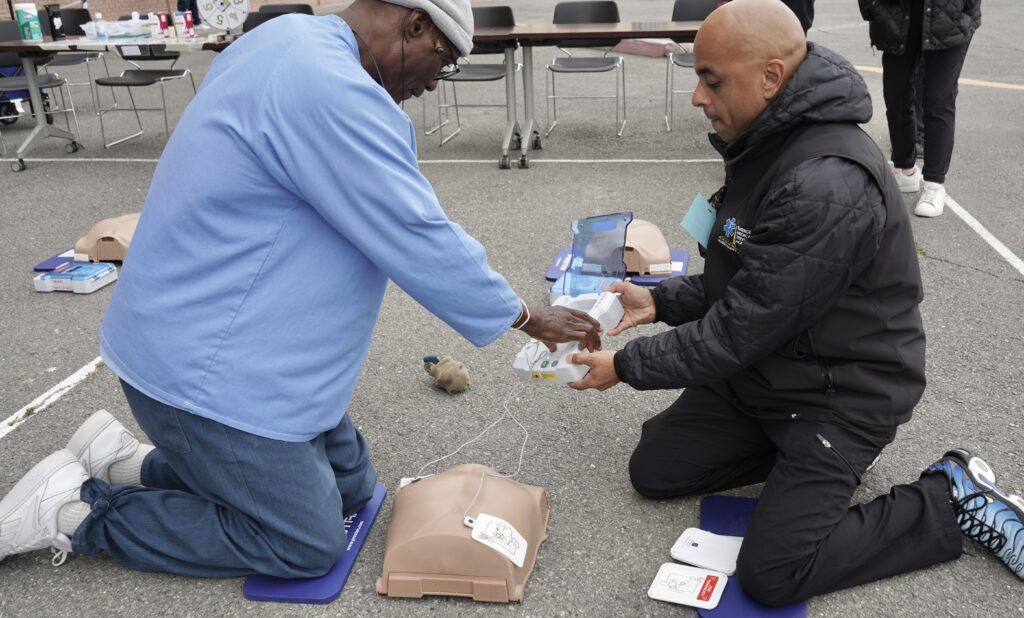
The Marin County Public Health Department sent two staffers who taught administration of Naloxone for suspected opioid overdoses. “It is a wonderful event,” said resident Dan Harris, 66, after listening to the instructions. “It made me aware that an overdose could happen at any time and if one happens, I could help. I now carry Narcan with me.”
A report by the federal Office of the Inspector General said, “The overdose crisis remains a pressing national challenge, with more than 70,000 overdose deaths in FY 2025.” Statistics published by the CDCR revealed that 193 overdose deaths occurred in CDCR facilities between Jan. 1, 2023, and July 29, 2026. This number amounted to 13.8% of all 1,398 deaths that occurred during that period, which makes overdoses the second-leading cause of death at CDCR.