By Bostyon Johnson
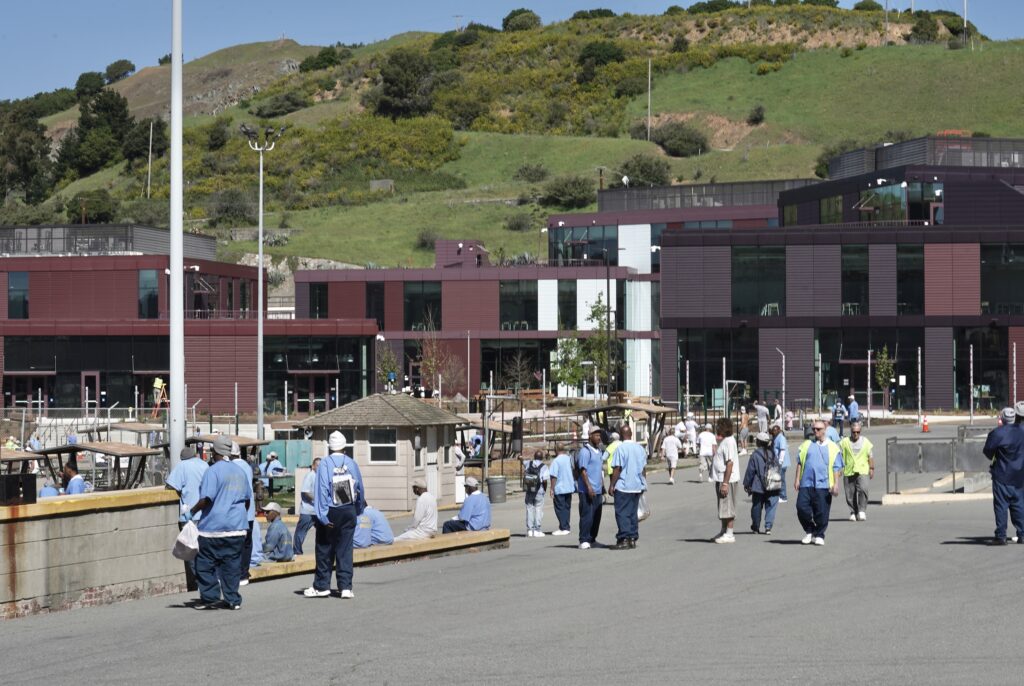
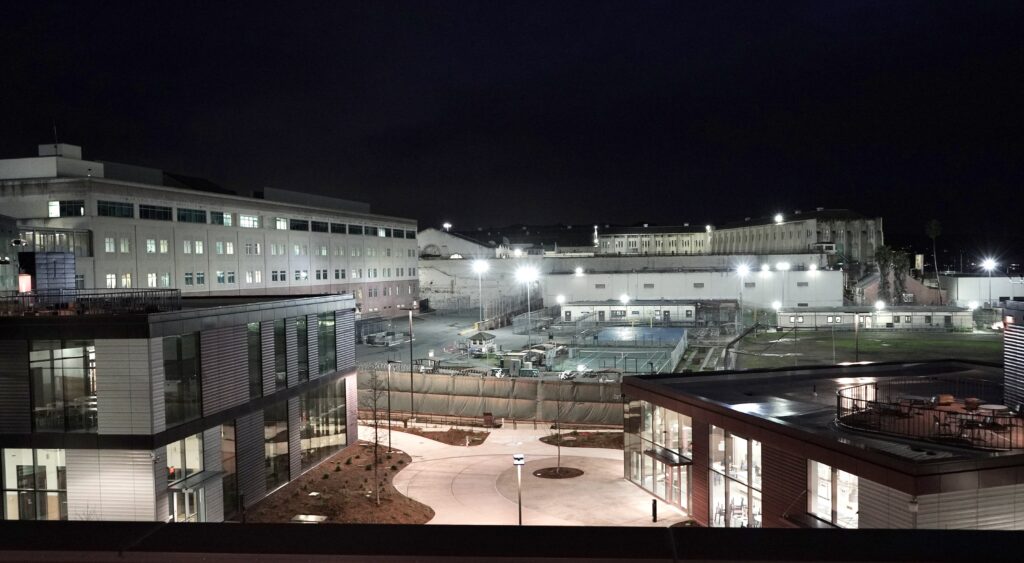
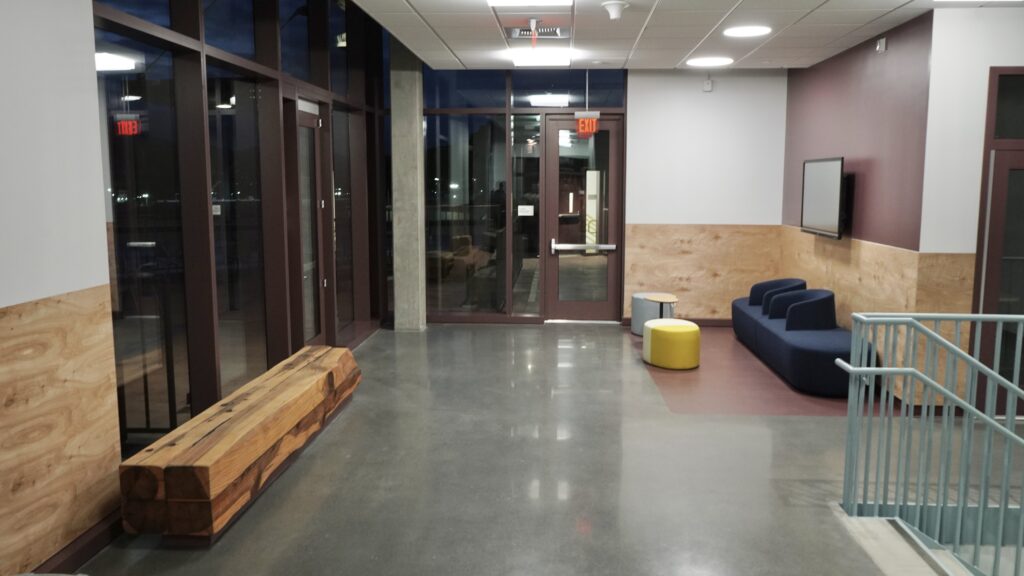
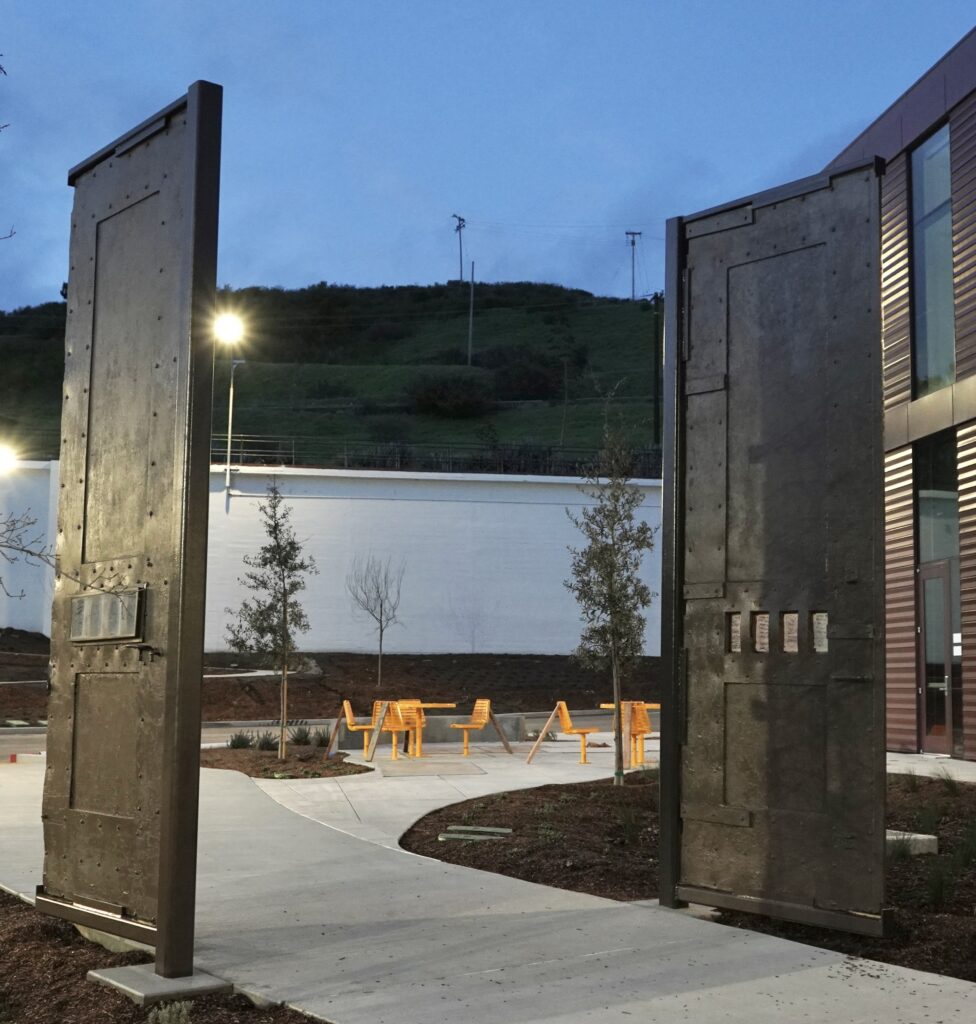
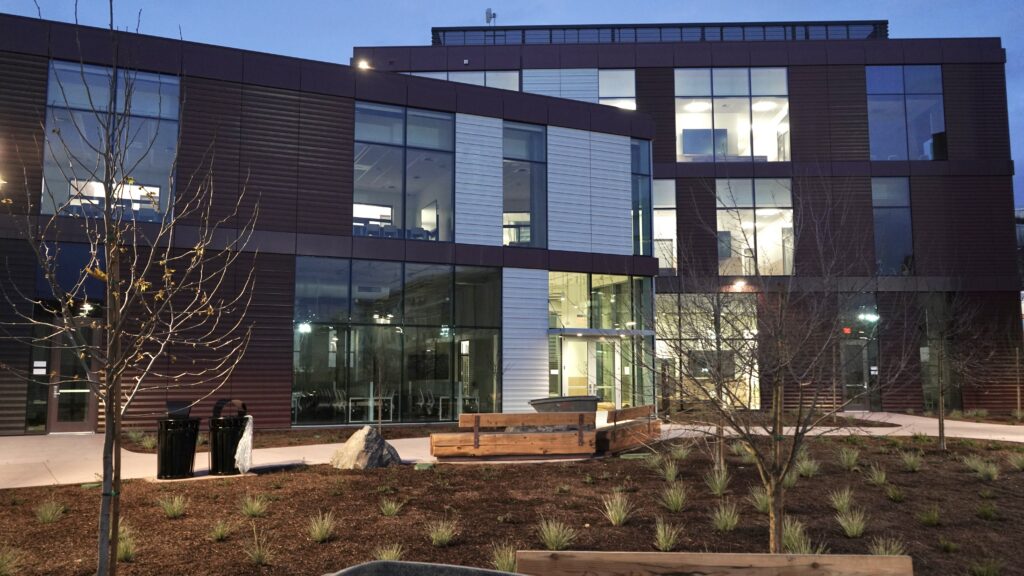
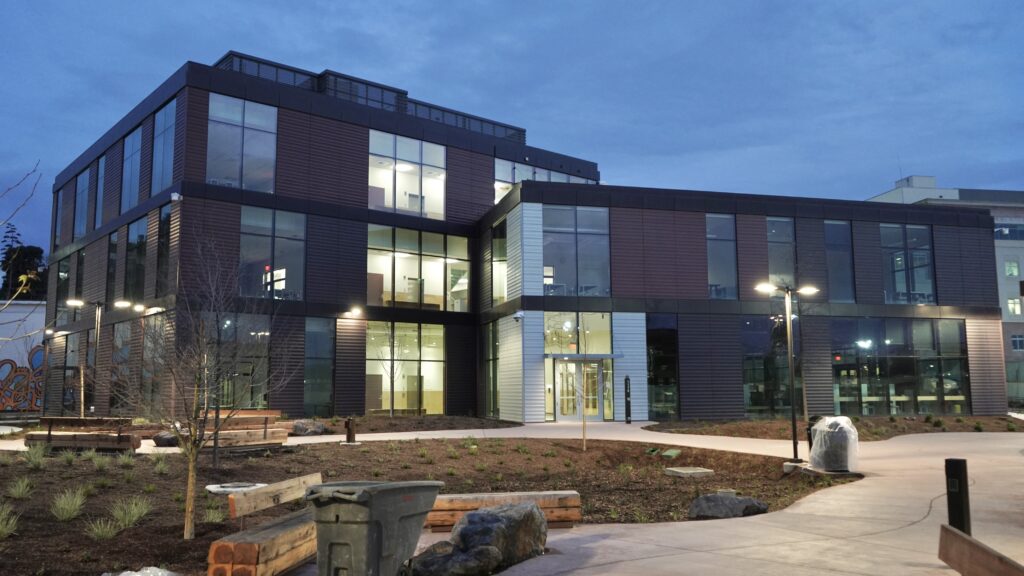
The San Quentin Rehabilitation Center held a ribbon-cutting ceremony to debut its new $239 million learning center, bringing together the who’s who of California corrections.
California Gov. Gavin Newsom, Executive Vice-President of the California Correctional Peace Officers Association Steve Abner, and San Quentin’s Warden C. Andes, to name a few, were among those in attendance.
The new center is a joint effort planned and designed with public safety and successful reentry at the forefront. Teams of professionals in criminal justice, public safety, healthcare, academia, reentry, and rehabilitation held interviews and brainstorming sessions with prison staff and residents to facilitate positive outcomes.
“Our job was to do more, but also to be more open to change, to be more data driven, focused on innovation, focused on reform, focused on improving results,” Gov. Newsom said. “It was always about public safety. It was always about community safety. It was about, yes, being smart on crime as well as tough on crime.”
Gov. Newsom first announced the plan to transform San Quentin into a model rehabilitation center in March 2023. Thirty plus months later, the new learning center was completed.
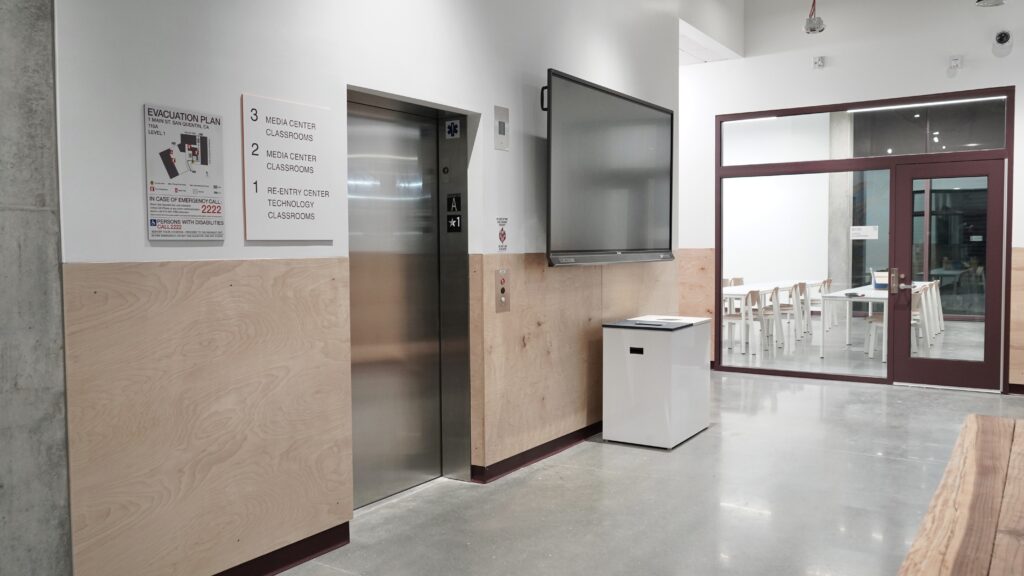
On the top two floors of Building A is the Media Center. The structure’s ground floor hosts a reentry center that emphasizes the importance of preparing incarcerated persons to return to society, as well as the coding instruction program provided by The Last Mile.
“The Learning Center provides opportunities for students to gain digital fluency and marketable skills that result in gainful employment,” said The Last Mile Executive Director Kevin McCracken.
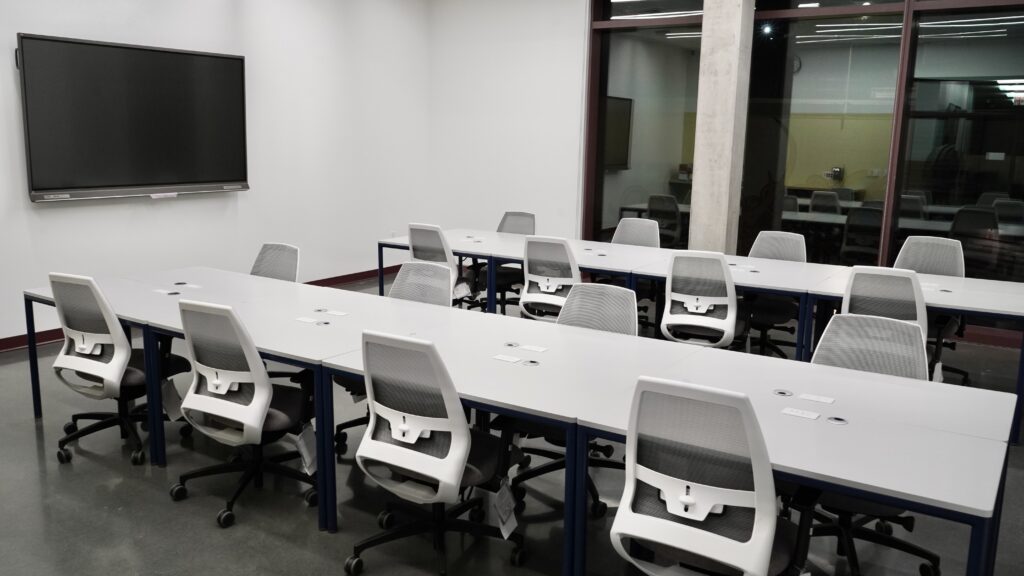
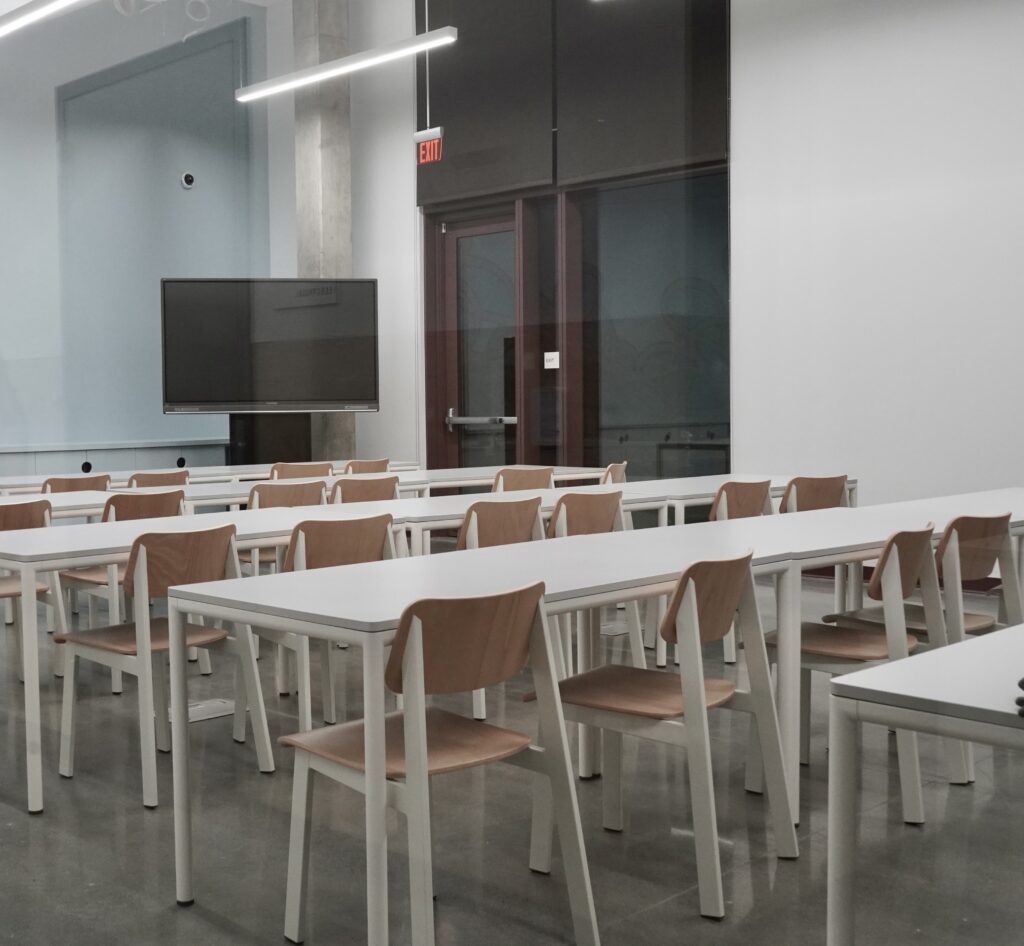
Building B is the education hub. There, educators from Mount Tamalpais College and partners like California State University at Los Angeles and the University of California at Berkeley will support completion of high school as well as college-level courses in the center’s 26 classrooms. A state-of-the-art library includes a book repair shop and cushioned seating areas.
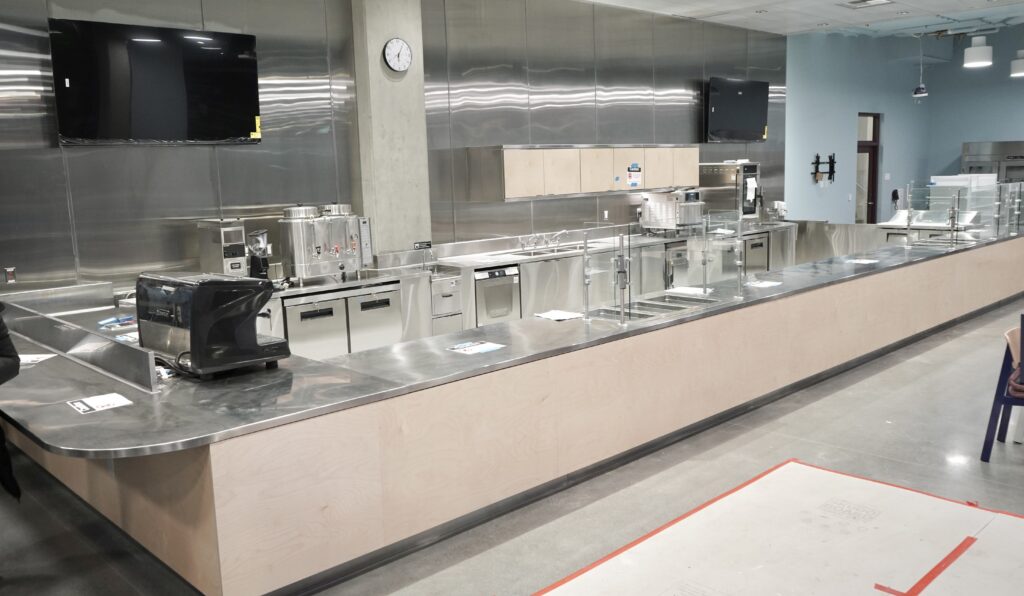
Building C will serve as a community center and as a workforce space. The multi-purpose room adjacent to the café is also a gathering hall for events.
At a press conference, Gov. Newsom said the project took “30ish months” to complete and was on time “and on budget,” He called it “the fastest state project in history.”
“It was just about pragmatism. It was about dealing with the fundamental fact that 95% of people in this [criminal justice system] are going to go back into your neighborhood and what kind of neighbors you want them to be,” Newsom said.
Gov. Newsom thanked Warden C. Andes and the CCPOA for not dragging down or sabotaging progress on the project.
“There are dozens and dozens and dozens of facilities waiting for this kind of investment and the community, again, is the biggest beneficiary,” Newsom said.
San Quentin Advisory Council’s Lead Advisor to the Governor and Mayor of Sacramento Darrell Steinberg thanked the governor for his bold effort and for being on the side of accountability and change.




“When people commit a crime, accountability is appropriate. At the same time, no human being who serves time should ever be forgotten or forsaken,” Steinberg said.
Steinberg said there are people in prison who will return to society and that compassion, accountability, and smart policy must always go together.
“Most residents of this center and in every other more traditional correctional facility in California will return to their communities after they serve their time,” Steinberg said. “Will they come home safely with an opportunity to work and contribute to the lives of their families and neighborhoods? Seems like the answer is in our hands.”
Executive Vice-President of the California Correctional Peace Officers Association Steve Abner recognized custody staff, free staff, community volunteers, and incarcerated residents for their willingness to do the work, adding that the dedicated space, workforce preparation, and evidence-based programming is results-focused.
“This new learning center is more than bricks and mortar. For correctional officers, this center reflects an investment in the hard work and culture created here in this facility,” Abner said.
Abner said an approach grounded in simple ideas, the right tools, accountability, structured programming, and meaningful engagement will build safer correctional institutions.
“Our officers remain peace officers first. Safety and security are nonnegotiable, but we know better than anybody that when incarcerated individuals are ready to change and have access to education, job training, and counseling, the population is more stable and violence can decline,” said Abner. “Done right, it improves working conditions for our officers and strengthens public safety.”
“This building is a reminder that California can set the standard when we stay committed and follow through,” Abner said.
In the January 2024 Reimagining San Quentin report, the Advisory Council said “the transformation of the old prison industry building is the beginning of San Quentin’s transformation, not the end.”
Gov. Newsom highlighted the ongoing nature of the effort by saying that the next step will be conversion of what was once the largest Death Row in the Western Hemisphere. In 2019, Newsom placed a moratorium on executions. He later withdrew lethal injection protocols, and ordered closure of the execution chamber at San Quentin.
There were 737 people condemned when we announced [dismantling of Death Row] in 2023, and to see that process of conversion, that will be the next big event that we invite you all to see,” Newsom said. “That is more than halfway done.”
What followed was integration of condemned residents into general populations at several CDCR facilities, where they may work and pay victim restitution.
“Today represents something else in addition to justice. For all the people who live and work here at San Quentin and for the people of California, this is also hope,” Steinberg said.
“It is hope for second chances and safer communities,” Steinberg said.