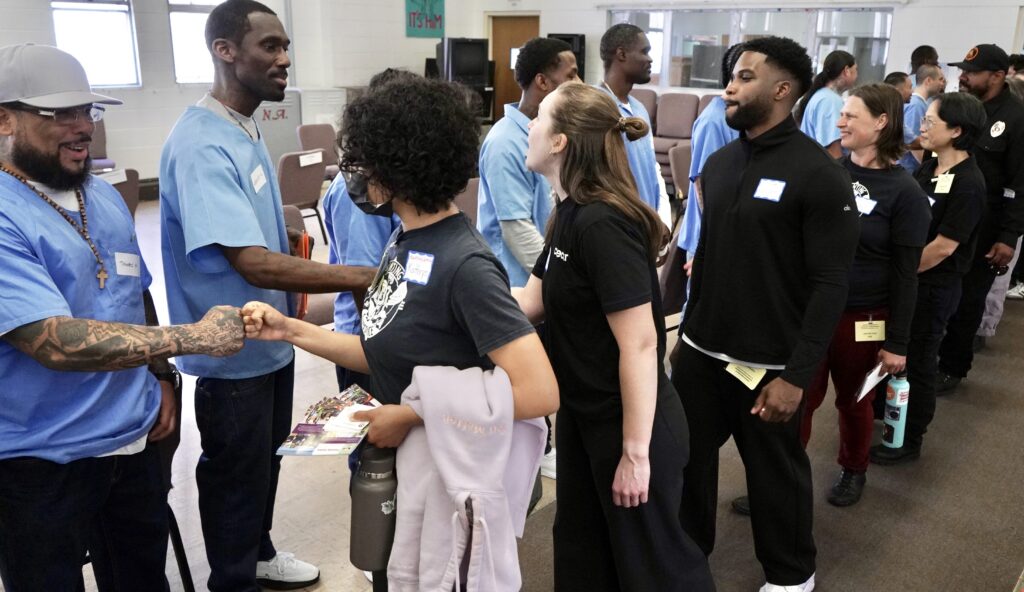
San Quentin’s Prison to Employment Connection program has made an impact on incarcerated people’s transition back into society for 14 years.
P2EC is a job preparation program that focuses on teaching residents how to write a résumé, learn interview skills, and build confidence before meeting with employers and reentry professionals.
“We need to unlock the full potential of people who have paid their debt and want to contribute to society,” said P2EC Director Sumer Schultz. “It’s not just the right thing to do. It makes economic sense. We need to create pathways to jobs because work is one of the most powerful deterrents to recidivism.”
According to Schultz, P2EC was founded by the late Diana Williams who brought to life a San Quentin resident’s vision of helping people find gainful employment when released. Williams used to say nobody is born with experience; people learn by trying and finding out what works.
P2EC readiness workshops have taught reentry skills needed to secure employment to incarcerated people since Williams started the program in Spring of 2012.
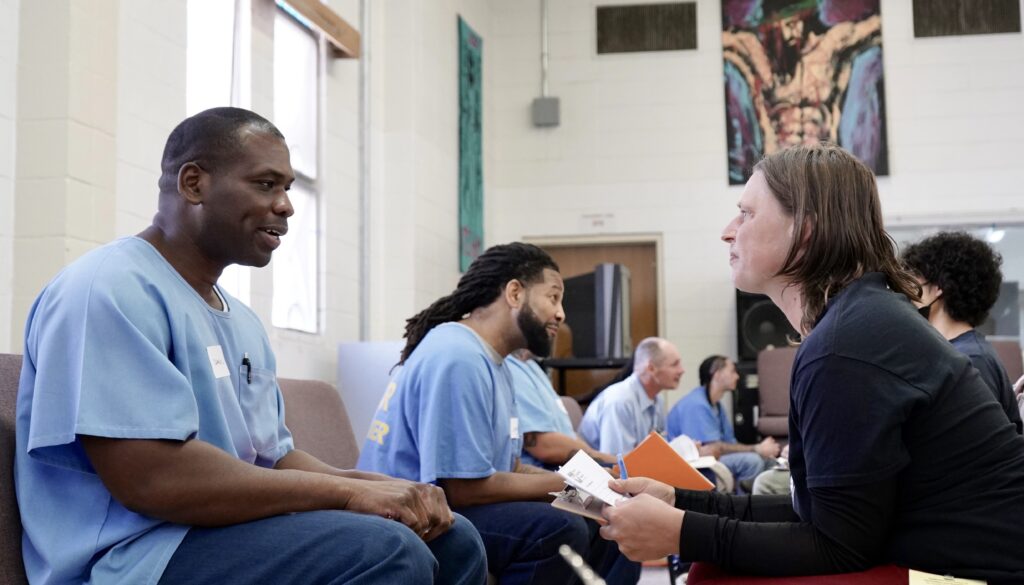
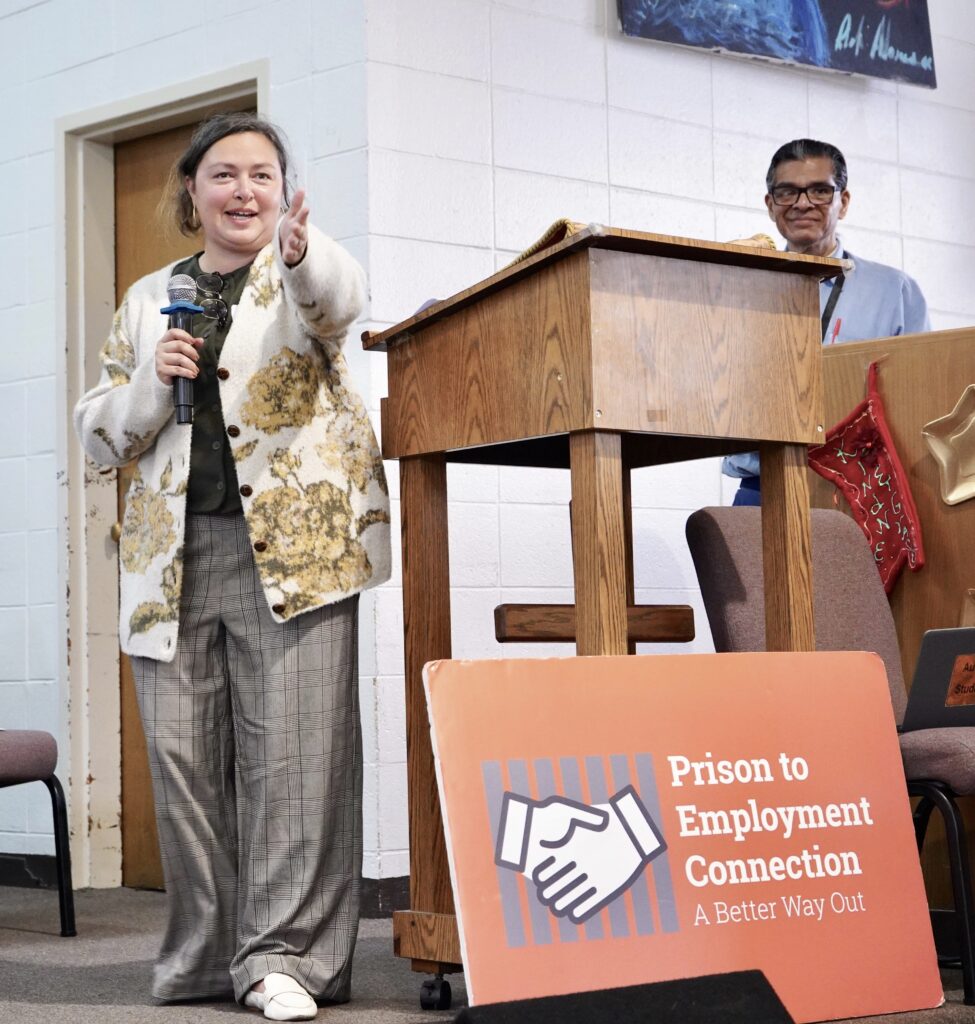
Working alongside Williams before her passing, Schultz and Gabrielle Nicolet now carry the torch of conducting the intense 12-week job finding preparation program.
Together they work with incarcerated facilitators and outside volunteers to assist participants in presenting the best versions of themselves when seeking a job.
The combination of hard work for the highly anticipated “Employers Day” was recognized when 26 employers, and a dozen volunteer sponsors, met with 36 P2EC graduates in Chapel B to put their new skills to the test.
Addressing the crowd before the interviews began, Schultz said P2EC is built on a simple belief that employment is more than a paycheck. It is structure, dignity, responsibility, job search strategies, and how to speak honestly and responsibly about the past while staying focused on the future.
“We are all here this afternoon to connect with each other so employers and residents can be together and create possibilities,” Schultz said.
Throughout the afternoon P2EC participants smiled, shook hands, sat face-to-face with potential employers, and engaged in a barrage of 10-minute job interviews.
SQ resident Charles Love, 42, said he took the 12-week program because he will be released in four months after nine years of incarceration. “I learned how important networking is,” Love said. “I got my résumé tuned up and the people I meet here today might lead to a job when I get out.”
Outside organizations attending the event included The Last Mile, Checkr, San Francisco Parks and Recreation, Caltrans, Forestry Fire, Acrobat Advisors, Urban Alchemy, Hospitality House, Planting Justice, and Alameda County District Attorney’s Office.
“I only had like one real job on the street,” resident Julian Castilla, 26, said while waiting to meet with employers. “I’m here to sharpen my interview skills and build my confidence.”

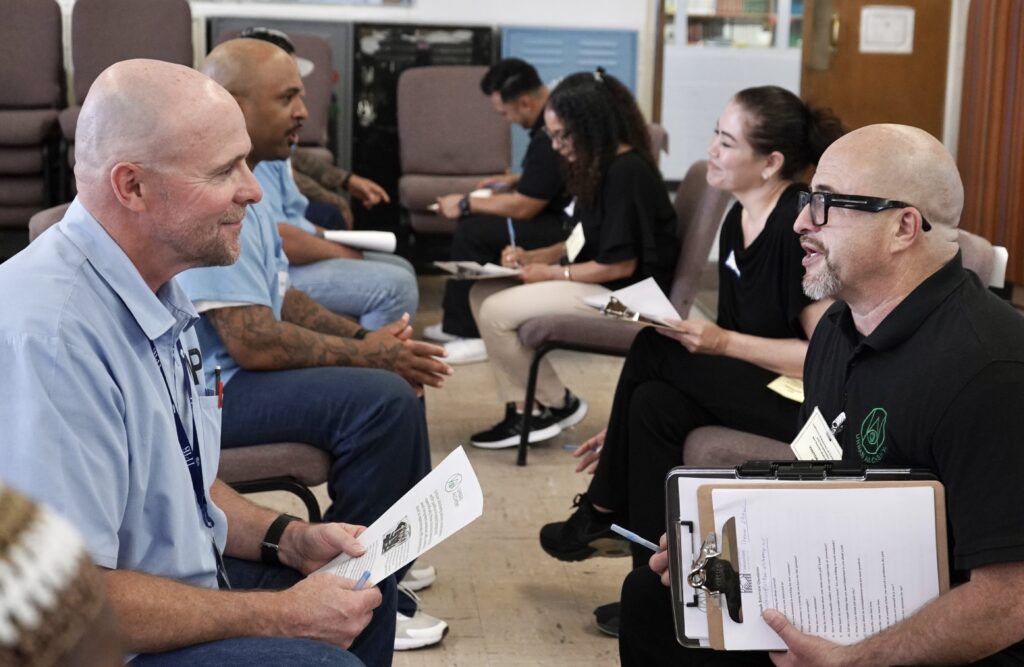
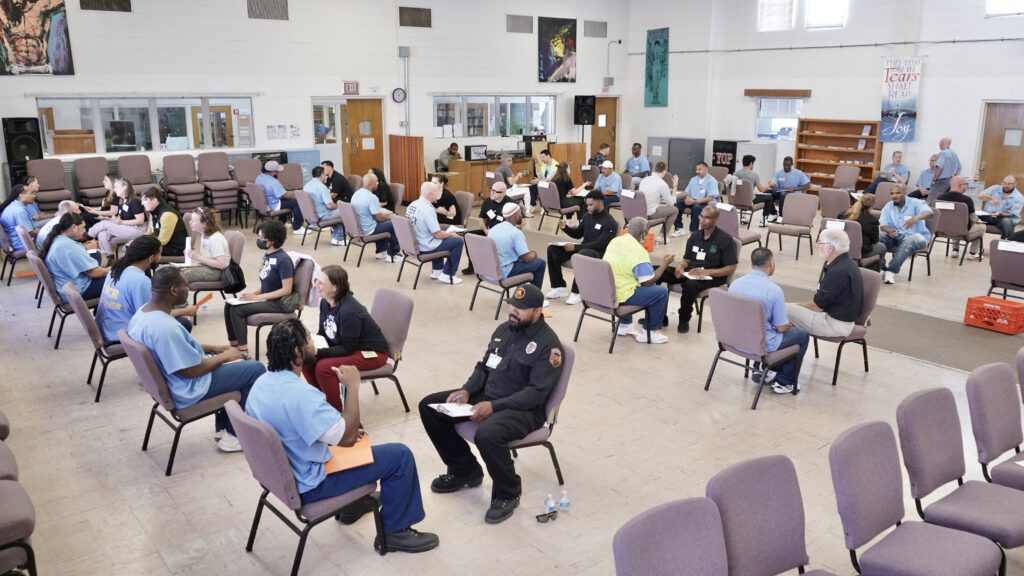
After the interviews were over evaluations by employers were passed out to participants.
Graduate Trevor Shaw, 57, incarcerated for 23 years, said he was grateful for the opportunity to participate because he had not been to a job interview in 35 years.
Shaw said he needed some “freshening up” on the interview process and he didn’t know AI could be so helpful in writing a résumé. He added, “If you are paroling soon, take the P2EC program and help yourself get started on your future.”
Resident P2EC facilitator John Levin spoke highly of how the graduates took the heaviest thing in their lives, incarceration, and “flipped it on its head.”
“You don’t have to hide from it anymore,” Levin said. “Instead, you can look a hiring manager in the eye, show them how you used your time to better yourself to address the root causes that brought you here, and built an unshakable work ethic.”
Schultz thanked employers and guests for their thoughtful feedback and willingness to see the people in the room as people with skills, goals, and futures.
She told the graduates, “You practiced something difficult. You sat with professionals, answered questions, received feed back, and presented yourself and this program with care. Take what you heard here today and keep building on it.”
Schultz ended the afternoon with a quote from Ralph Waldo Emerson: “Our greatest glory is not in never failing, but in rising up every time we fail.”