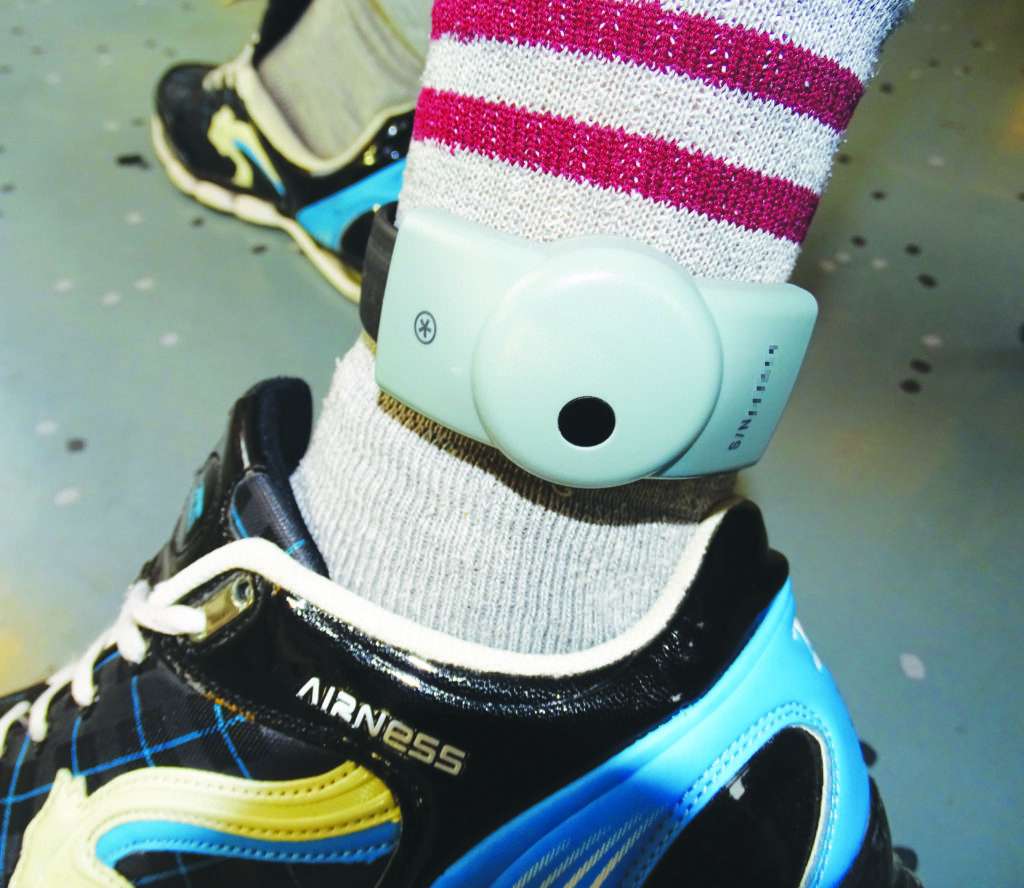

A “more progressive” and humane tracking device will give high-risk parolees a better success rate, and lessen their likelihood of reoffending.
A state of the art Global Positioning System in the form of a biotech bracelet is being considered as a more compassionate and useful method for high-risk offenders’ supervision.
The new device allows returnees to blend into society without drawing unwanted attention, which can make them feel less alienated and promote mental wellness, according to Lexipol Media Group.
The GPS device would change the standard tracking device from a bulky ankle monitor to a designer smart watch. The new design is tamper and waterproof, lightweight, and has a 10-year battery life. It is artistically appealing and user-friendly, noted the article.
The objective of the new device is to improve re-entry success for parolees through a structured supervision system aiming to reduce recidivism. The new system will also be equipped with a two-way messaging and computerized check-ins through a modified interface, as well as speedy intervention if a parolee approaches restricted areas.
According to the article, the biometric bracelet will help parole officers and medical personal detect early signs of stress and illness. It will be equipped with microchips and sensors that gather physiological data, which include alerts during medical crises such as heart rate and pulse monitoring, oxygen levels, and blood pressure monitoring.
The cost of monitoring an offender in California is approximately $35.96 a day, while traditional supervision costs $24.75 a day. GPS supervision is $8.51 more than traditional supervision at $33.26 a day. Further, the National Institute of Justice states GPS supervision is more effective, and better assures that offenders comply with the terms of their parole than other monitoring methods.
According to the California Code of Regulations, Title 15, parolees may be required to cover the cost of electronic GPS monitoring. Enforcement of parolee payment will consider employment status, level of income, and additional household expenses of returnees.
If CDCR finds that a person does not have the ability to pay for GPS monitoring, fees will be waived. The ability of parolees to pay will be determined by one’s supervising parole agent. In determining payment eligibility, the department will consider a parolee’s direct order of restitutions, and fines, and give priority to those payments.