Nearly 1,000 residents at San Quentin signed a petition expressing their desire to see a farmer’s market installed at the facility.
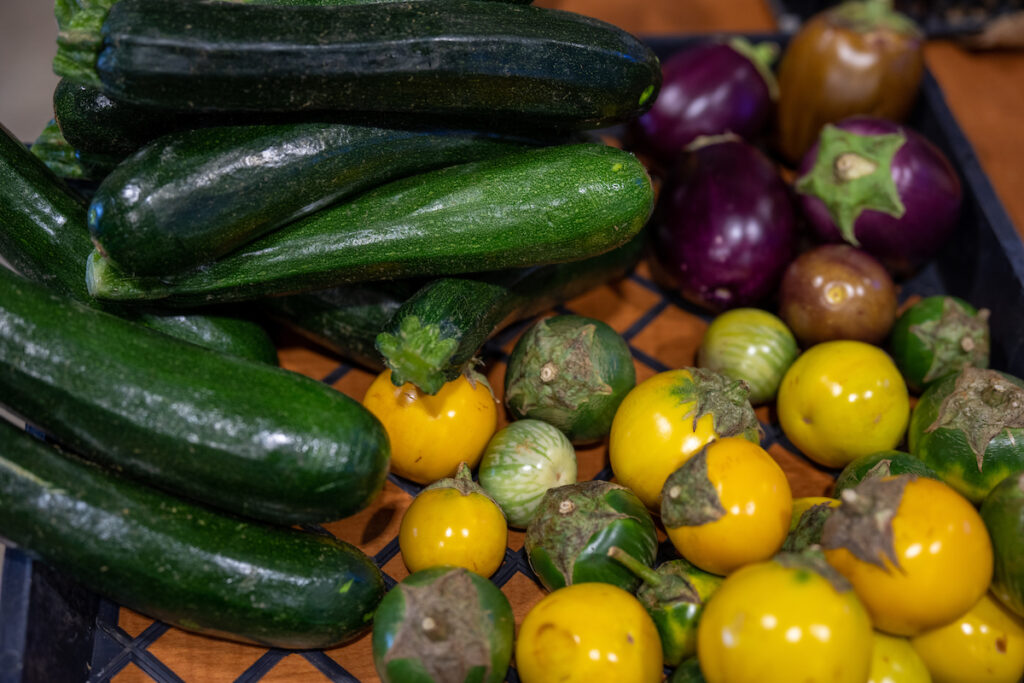
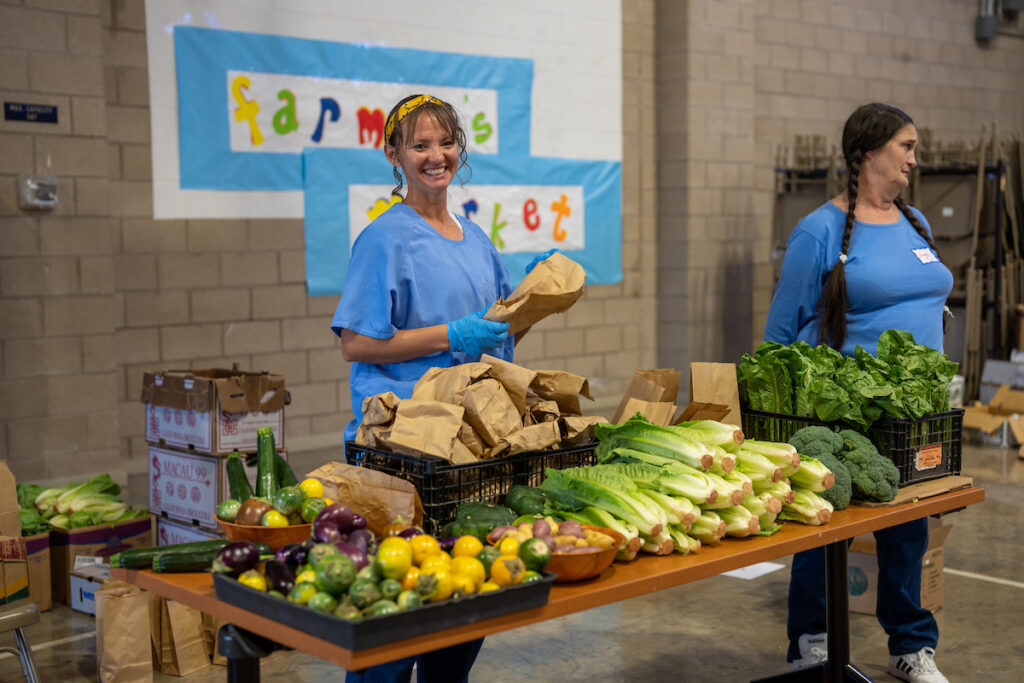
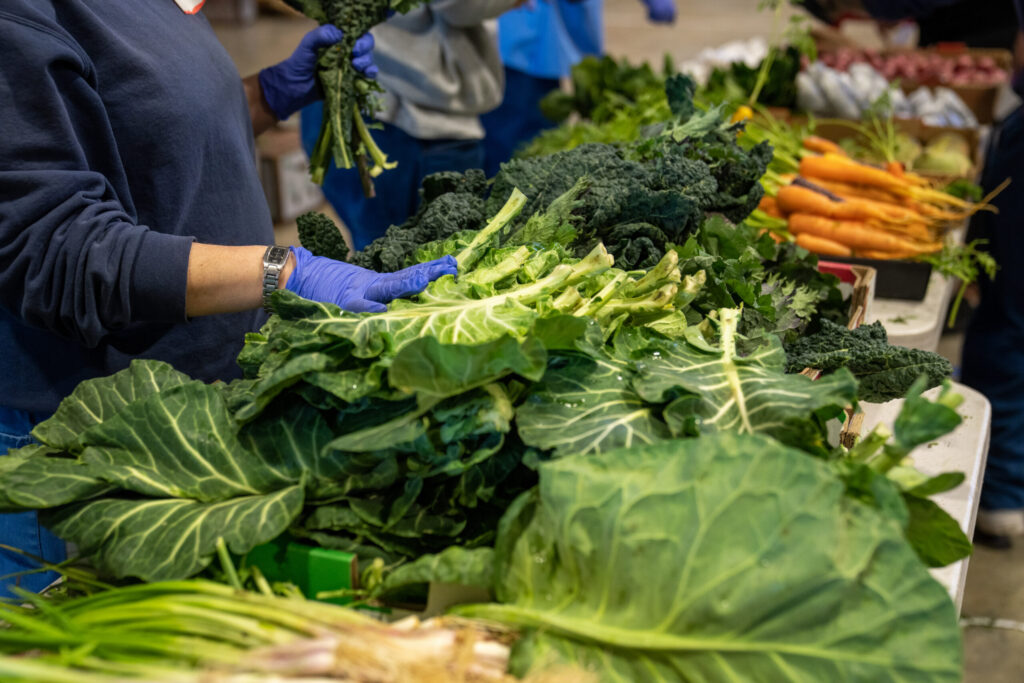
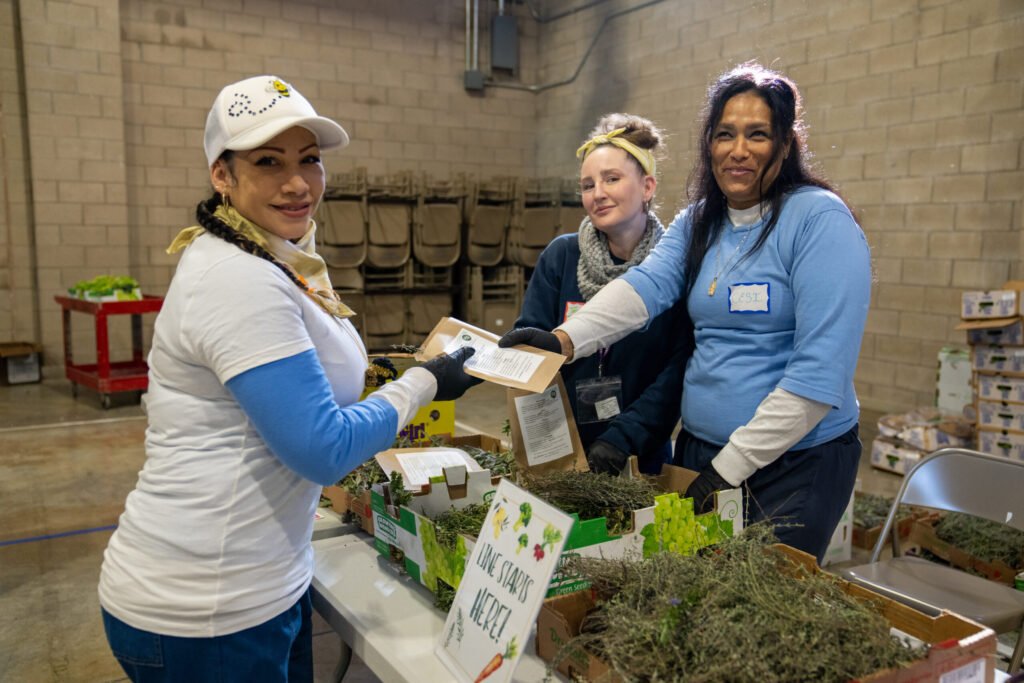
Imagine being incarcerated and having the opportunity to purchase fresh vegetables, strawberries, mangos, pre-packaged salads, and even fruit smoothies. One resident at San Quentin is working to bring his idea of a first-of-its-kind farmer’s market into the facility, where residents will be able to do just that.
“Over the years, I’ve learned that diet has a huge effect on our physical health, our mood, and our mentality,” said SQ. resident Kelton O’Conner when describing why he believes the farmer’s market is necessary inside of San Quentin.
Growing up, O’Conner said he suffered from issues regarding his mental and emotional health, including bouts with depression. He said he was in his early 20s when he learned the effects diet could have on mental health and began studying and learning how to adopt a healthier diet.
“Before I learned how to eat healthy, I ate a lot of food that wasn’t good for me: too many sweets, heavy starch, and processed foods. My energy and mood began to clear when I started to eat better,” said O’Conner. He said he developed the ability to cope with stress and manage his depression once his diet improved.
O’Conner said improving the mental and physical health of the incarcerated community is the primary driver behind his idea for the farmer’s market. For him, good health is rooted in what and how we eat, and he said the food provided to incarcerated people by the state and sold to them in the canteen is overly processed, lacking in nutrition, and too high in fat and sugar.
Research from both Harvard and Stanford Universities, and the University of California, Davis reveals how a diet of mostly ultra-processed foods is linked to a number of poor health outcomes, including diabetes and depression.
People with a diet of mostly processed foods have a 50% higher risk of cardiovascular death, such as a heart attack, and 48% higher risk of developing anxiety, according to Harvard University.
O’Conner’s idea for the farmer’s market is similar to the growing Food-Is-Medicine campaign, which focuses on the utilization of healthy foods to treat various physical illnesses while reducing medical spending throughout the country.
“I think the quality of the prison food is a four on a scale of 1-10. There is no variety, just the same food all the time. Having the farmer’s market would give us healthier options and solve a lot of the health issues like cancer and diabetes,” said SQ resident Angel Duarte.
Duarte believes the market would also give residents more control over what they choose to purchase and eat.
“Guys who have a lot of time to serve should be given more options because they have to deal with it for so long,” said Duarte.
Along with the farmer’s market, O’Conner would like to implement a six-month business-training program that would teach residents the ins and outs of running a successful business.
He said the objective of the program would be to “provide valuable business management training to incarcerated people, enable residents the opportunity to engage in positive correctional programming, and provide a means to distributing fresh produce.”
Time will tell if the dream of a farmer’s market inside of a prison, designed by and for incarcerated people, will ever come to fruition. However, just the mere possibility is exciting for the incarcerated people who would like to play active roles in their overall livelihoods.
“Food has the power to heal both the mind and the body, and we can begin to use healthy food choices to improve the lives of incarcerated people,” said O’Conner.