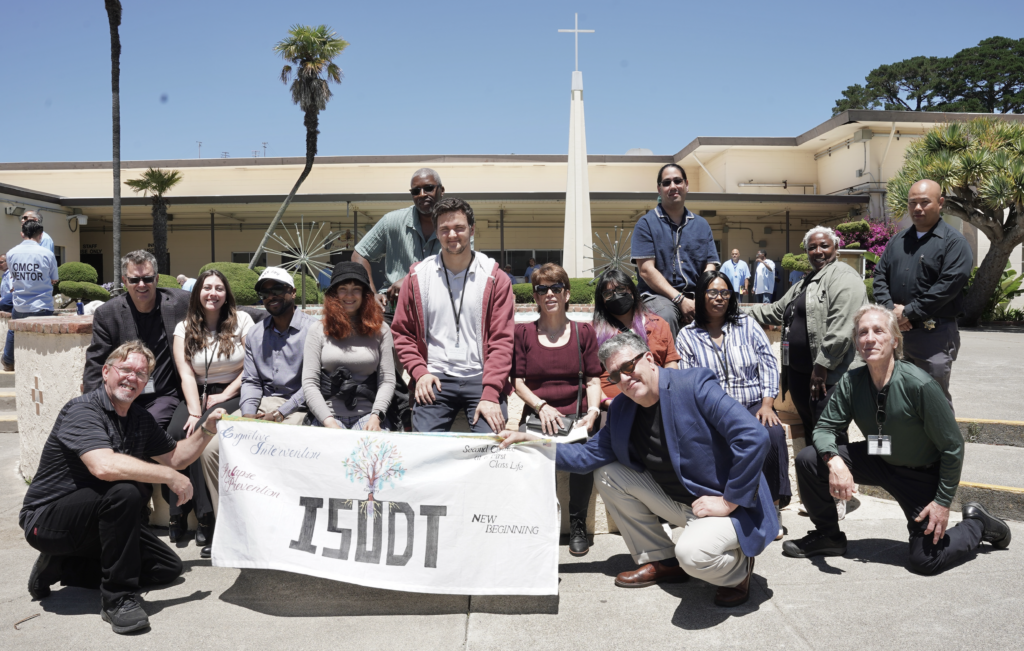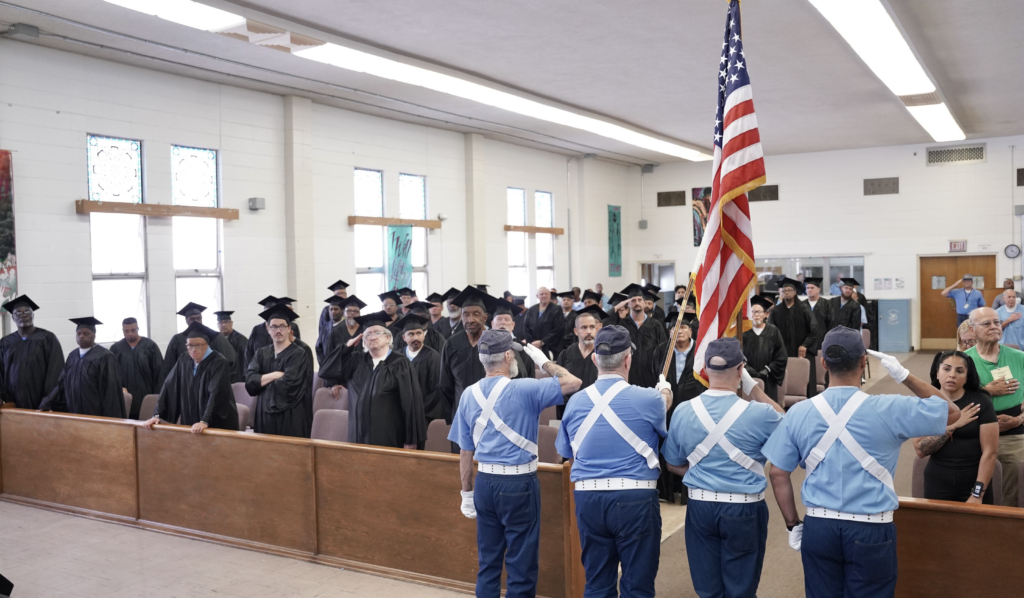
On June 9, 2026 San Quentin celebrated another milestone, graduating 80 incarcerated participants of the Integrated Substance Use Disorder Treatment program. The program’s curriculum focus on overcoming substance abuse by educating residents to recognize their thoughts, beliefs, and self-destructive behaviors.
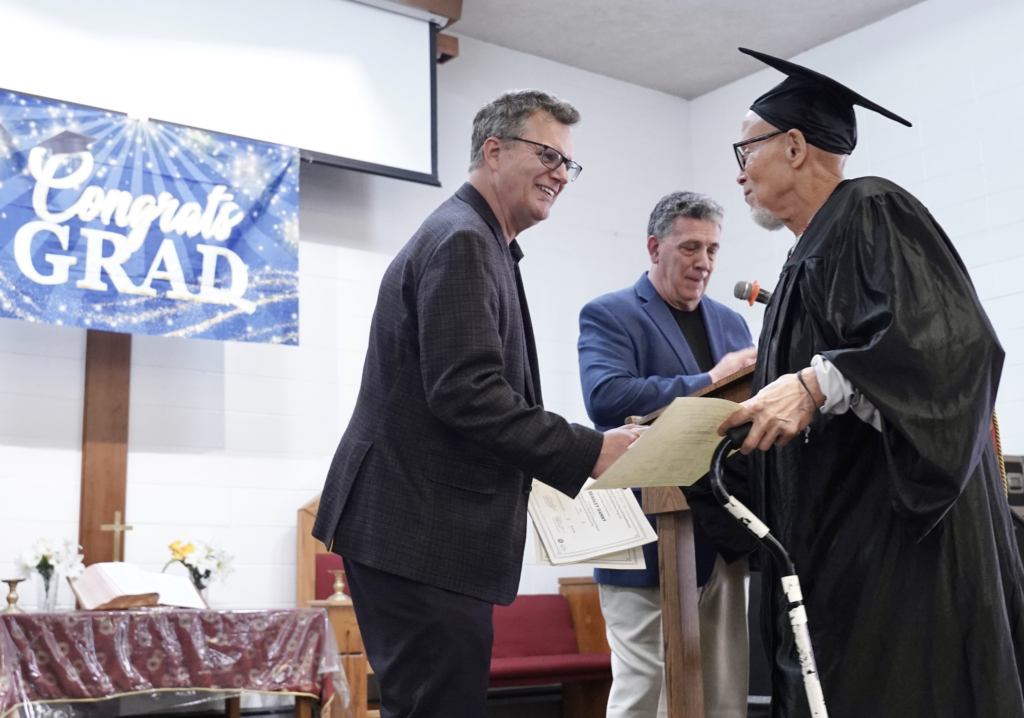
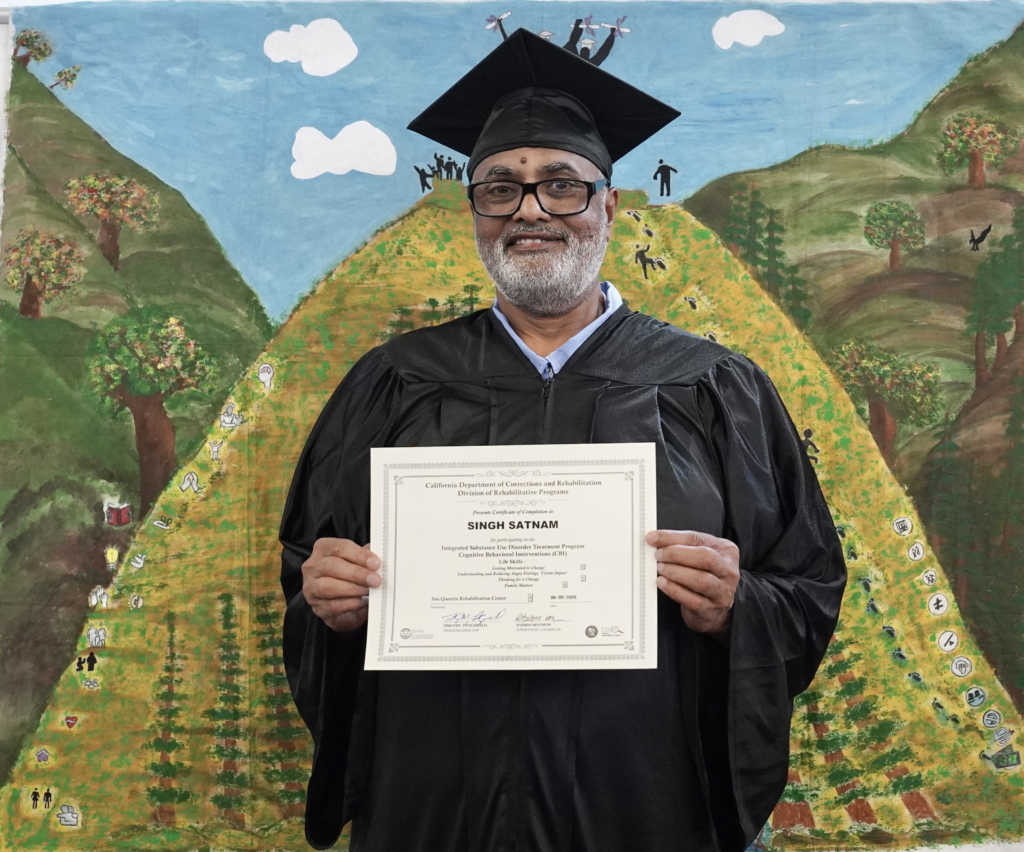
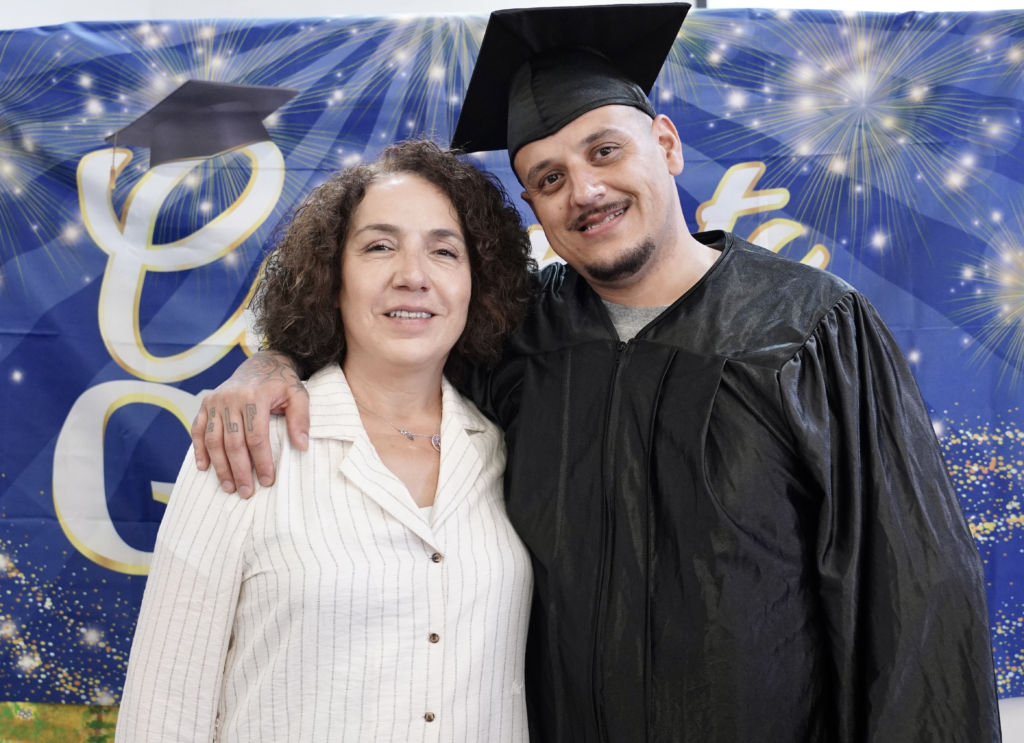
The ceremony commenced with applause from outside visitors, family members, administrative personnel, and ISUDT caseworkers. The graduates wore caps and gowns, recognizing their hard work and commitment to change. After each graduate was recognized, the crowd raised and loudly cheered as each graduate stepped forward to receive their certificates.
During the event, special guest Vice-President of Amity Foundation, Sonia Crites congratulated the residents for their commitment to sobriety. She highlighted the importance of providing information and tools to individuals coming home, so that they can have successful reintegration into their communities.
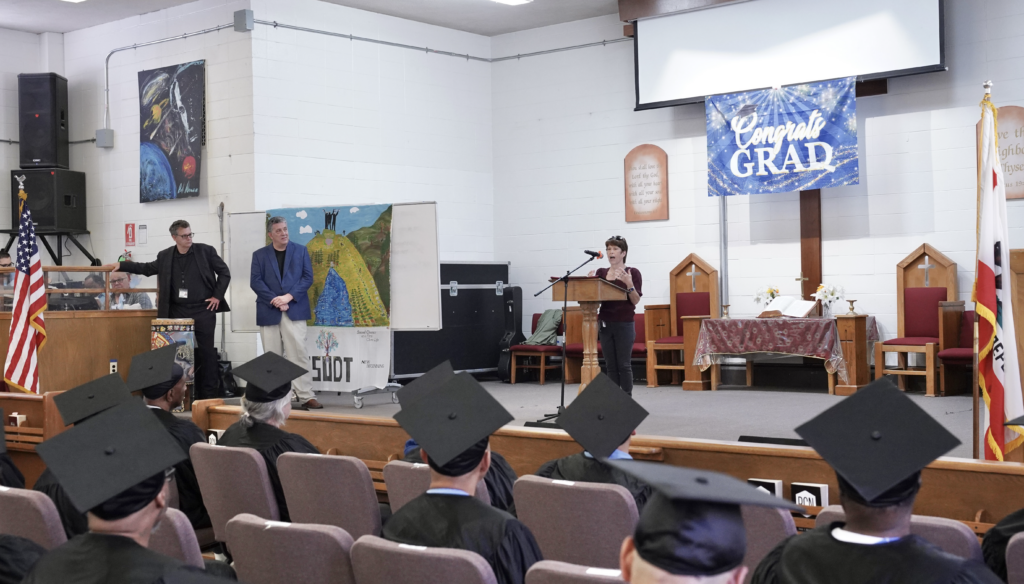
“This can only be done by using the tools that will help people to be drug-free and to stay healthy. This way, they will be employable and productive members of society,” Crites said.
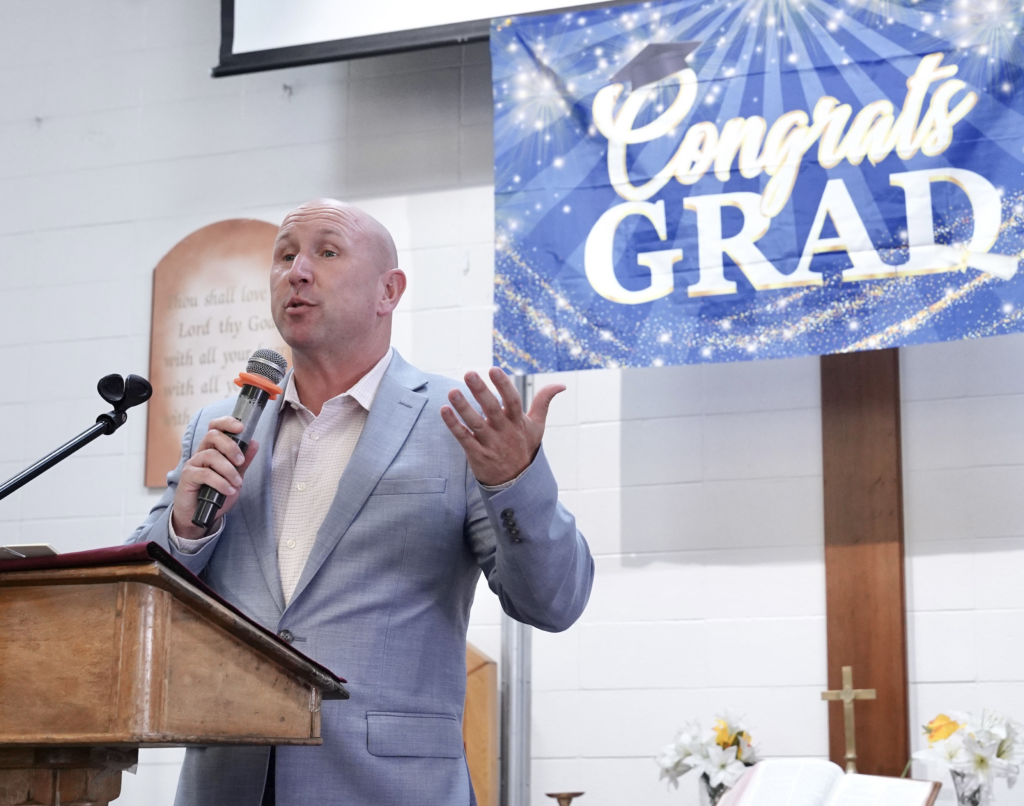
San Quentin’s Warden C. Andes said the graduation is great because it helps returning citizens have an opportunity to not only heal from their addictions, but also increase public safety in our communities.
Resident Nelson Escobar Medrano said that being able to graduate from the program felt like he had earned a college degree. He admitted that it wasn’t easy being a participant, due to his limited English, but with the assistance of an incarcerated interpreter, he was able to complete all his assignments and understand the information that was provided in the curriculum.
The day impacted ISUDT’s new caseworker Bryan Bush, who has visited San Quentin over the past 25 years. He said the prison used to have a different atmosphere. According to Bush, the prison had a tense environment. For example, guards were more uptight and rehabilitation was not seen the way it is today.
“The environment now is a lot more lighter, it is easier to work with the incarcerated people. They have a different attitude now and are way more nicer …,” said Bush. “People [outside] are always scared of the unknown, they have not seen this part of prison that demonstrates the rehabilitation part of it. I see the changes in the lives of people in here.”